What Is a Vietnam Cosmetics Tin Box? A Beginner's Guide to Materials, Formats, and Terminology
A plain-language glossary of metal packaging concepts for beauty brands, product developers, and packaging buyers
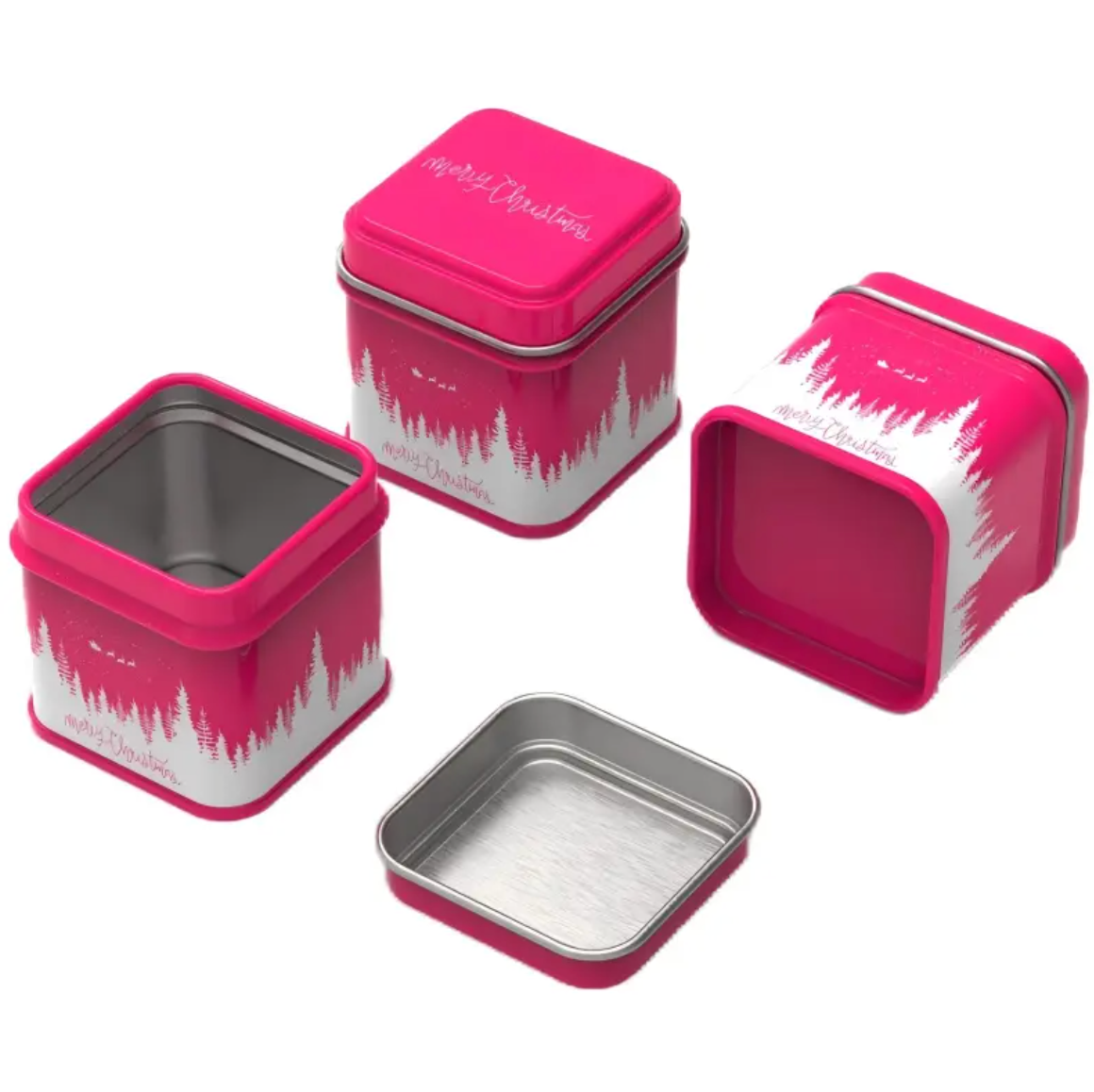
A Vietnam cosmetics tin box is a rigid metal container made from tin-plated steel and used to hold, protect, and present cosmetic and personal-care products. The word "Vietnam" in that phrase describes where the box is produced or sourced, not a different material or a special design. Understanding the category therefore means understanding three things: the metal it is made from, the physical format it takes, and the vocabulary used to describe its decoration.
For a brand that has never bought metal packaging before, the terminology can be the biggest obstacle. Terms such as tinplate, slip cover, litho printing, embossing, and airtight appear in every quotation and drawing, yet they are rarely explained in one place. This guide introduces those terms in plain language so that a buyer can read a tin box specification sheet, understand a structural drawing, and describe a packaging idea without guessing.
What Exactly Counts as a Cosmetics Tin Box?
In packaging terms, a cosmetics tin box is a rigid metal container formed from tin-plated steel sheet, fitted with a separate lid, and used to hold cosmetic or personal-care items. It belongs to the wider family of rigid metal packaging, sitting alongside aluminium cans, plastic jars, and glass jars. What separates a tin box from those alternatives is the material itself and the way that material is shaped, printed, and seamed.
A basic cosmetics tin box consists of a small number of parts, and knowing them makes every later conversation easier:
- Body – the main wall of the container, shaped into a cylinder, rectangle, oval, or novelty profile.
- Lid – the closure that sits on top of the body and determines how the box opens and closes.
- Bottom – the base panel, joined to the body with a mechanical seam.
- Interior components – optional parts such as an internal coating, a liner, or a divider tray that sit inside the box.
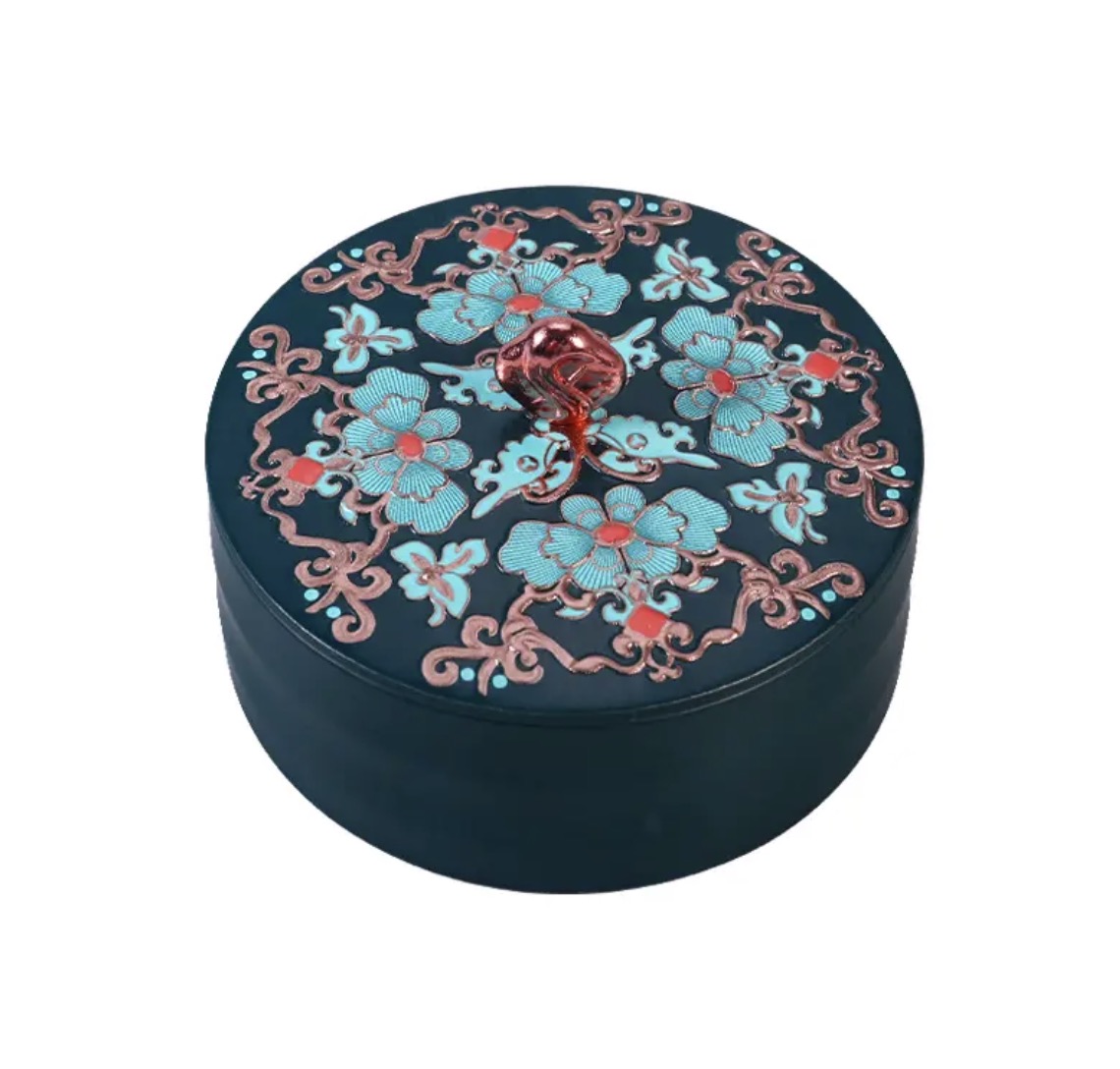
It is worth separating the geographic label from the product category. A tin box manufactured in Vietnam follows the same structural logic as tin boxes made anywhere else: steel sheet is printed first, then cut, formed, seamed, and fitted with a lid. The reference to Vietnam describes the production base and the supply chain behind the box, not a proprietary technology or a distinct material grade.
Why Beauty Brands Look at Metal Packaging
Metal packaging keeps appearing in cosmetics for reasons that are structural rather than fashionable. The most common ones are worth stating plainly, because they explain why a brand might choose a tin box over a folding carton.
- Opaque barrier. A metal wall blocks light completely, which matters for formulas that are sensitive to it. Air exchange is governed by the closure design rather than by the metal alone.
- Shape retention. A rigid box keeps its form under stacking and transport pressure far better than a folding carton, which is useful for sets that travel long distances.
- Shelf presence. Metal accepts dense print and surface finishes that produce reflection, texture, and a tactile weight a paperboard pack cannot reproduce.
- Reuse by the customer. Cosmetic tins are frequently kept after the product is finished and reused for storage, which keeps the brand object physically present in a customer's home.
- Recyclability. Steel is one of the most widely recycled packaging materials in the world, and a single-material tin is straightforward to return to a metal stream.
The trade-off is equally clear. A tin box carries a higher unit cost than a folding carton and adds shipping weight. For that reason, metal packaging is usually reserved for gift sets, limited editions, refillable products, or SKUs where the pack itself is part of the product experience. Recognising that trade-off early prevents a metal format from being specified where a carton would do the job at lower cost.
Core Materials Behind a Cosmetics Tin Box
Tinplate (Tin-Plated Steel Sheet)
Tinplate is the standard material for cosmetic tin boxes. It is a low-carbon steel sheet coated on both faces with a thin layer of tin. The steel core provides stiffness and formability; the tin layer provides a surface that resists corrosion and takes printing well. Tinplate is graded by thickness, and the thickness chosen affects how rigid the finished box feels, how much pressure it survives, and how easily it can be formed into a given shape without cracking at the corners.
Internal Coating
An internal coating, also called an inner lacquer, is a protective layer applied to the inside face of the tinplate. Its purpose is to keep the cosmetic formulation from coming into direct contact with bare metal. Whether a coating is required, and which type is used, depends on what the box will hold and on the regulatory expectations of the destination market.
Basecoat, Inks, and Varnishes
Decoration on a tin box is applied to flat steel sheet before the box is ever formed. A basecoat is printed first to give the ink a stable surface, the design is printed on top of it, and one or more varnishes seal the image. Because the printed sheet is later bent and seamed, the ink and varnish system must remain flexible enough to bend without cracking along the edges.
Aluminium as an Alternative
Aluminium is the other metal commonly used for cosmetic containers. It is lighter than steel and naturally corrosion-resistant, but it bends and feels different in the hand, and it reflects light differently under printed decoration. Aluminium and tinplate are not interchangeable in every structure, so the material choice should follow the format decision rather than precede it.
Common Tin Box Formats
Format is the physical shape and opening style of the box. Most cosmetic tin boxes fall into a small number of recognisable families.
Round and Cylindrical Tins
A round tin is formed by rolling the steel into a cylinder and seaming the base. It distributes pressure evenly, which makes it a stable choice for stackability and for products that are themselves round, such as a balm, a solid perfume, or a single-portion cream.
Rectangular and Square Tins
Rectangular and square tins use flat panels joined at folded corners. They offer the largest printable surface relative to their volume, which is why they are popular for eyeshadow palettes, compact sets, and multi-item kits. Straight sides also make them easier to pack efficiently in outer cartons.
Flat Tins and Slip-Cover Tins
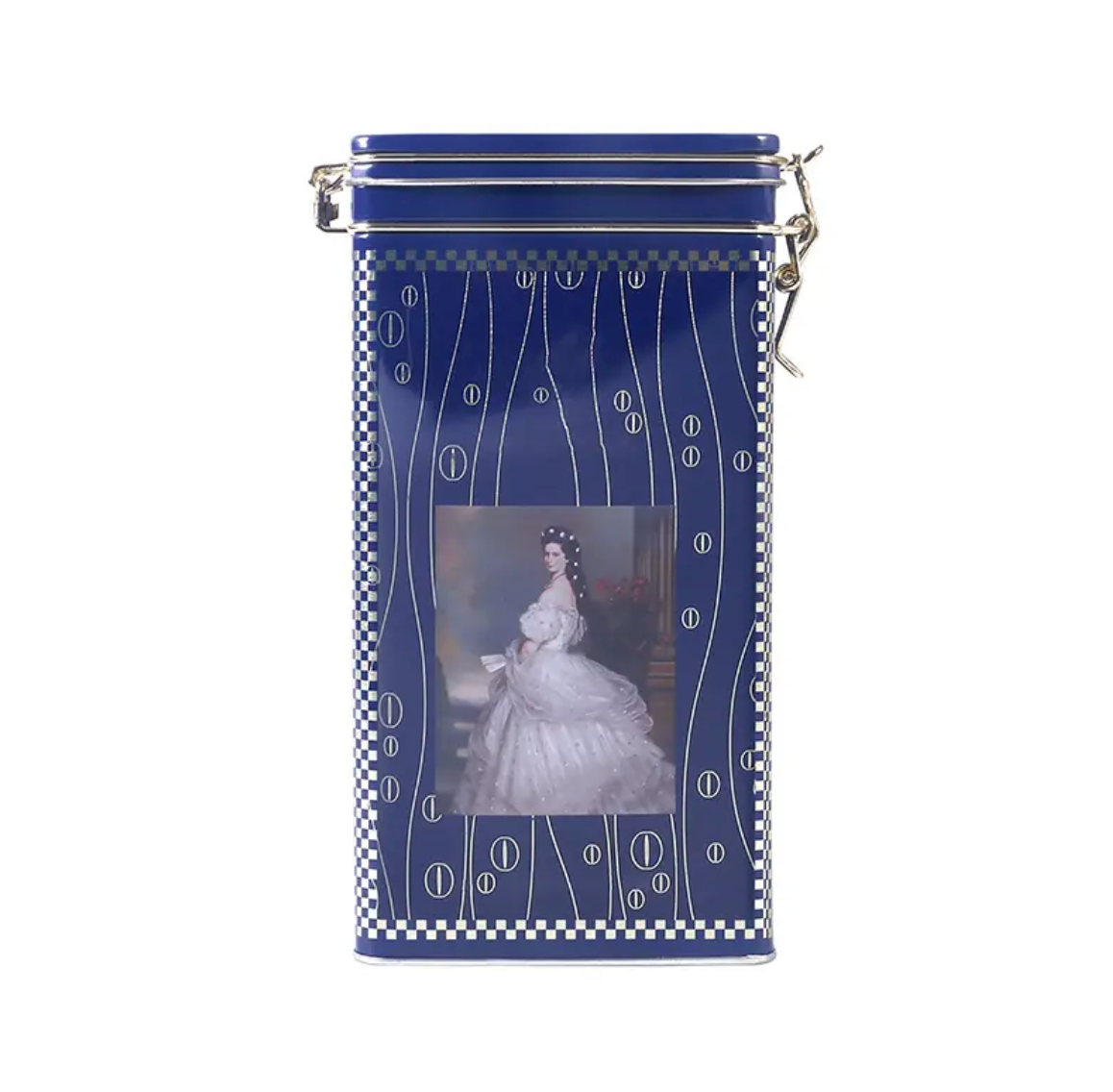
Flat tins are shallow rectangles or ovals, often with a lid that slides sideways rather than pressing down. They suit slim items such as a lipstick, a mirror, a brush, or a single pressed powder, and they tend to be used where the pack needs to feel slim in the hand.
Mini and Travel-Size Tins
Mini tins are the same structures at a reduced scale. They are used for samples, travel formats, single servings, and small solid products. Working at a small size changes the design priorities: the decorative area becomes tiny, the lid tolerances become proportionally tighter, and the print detail has to remain legible when it is reduced.
Partitioned and Kit Tins
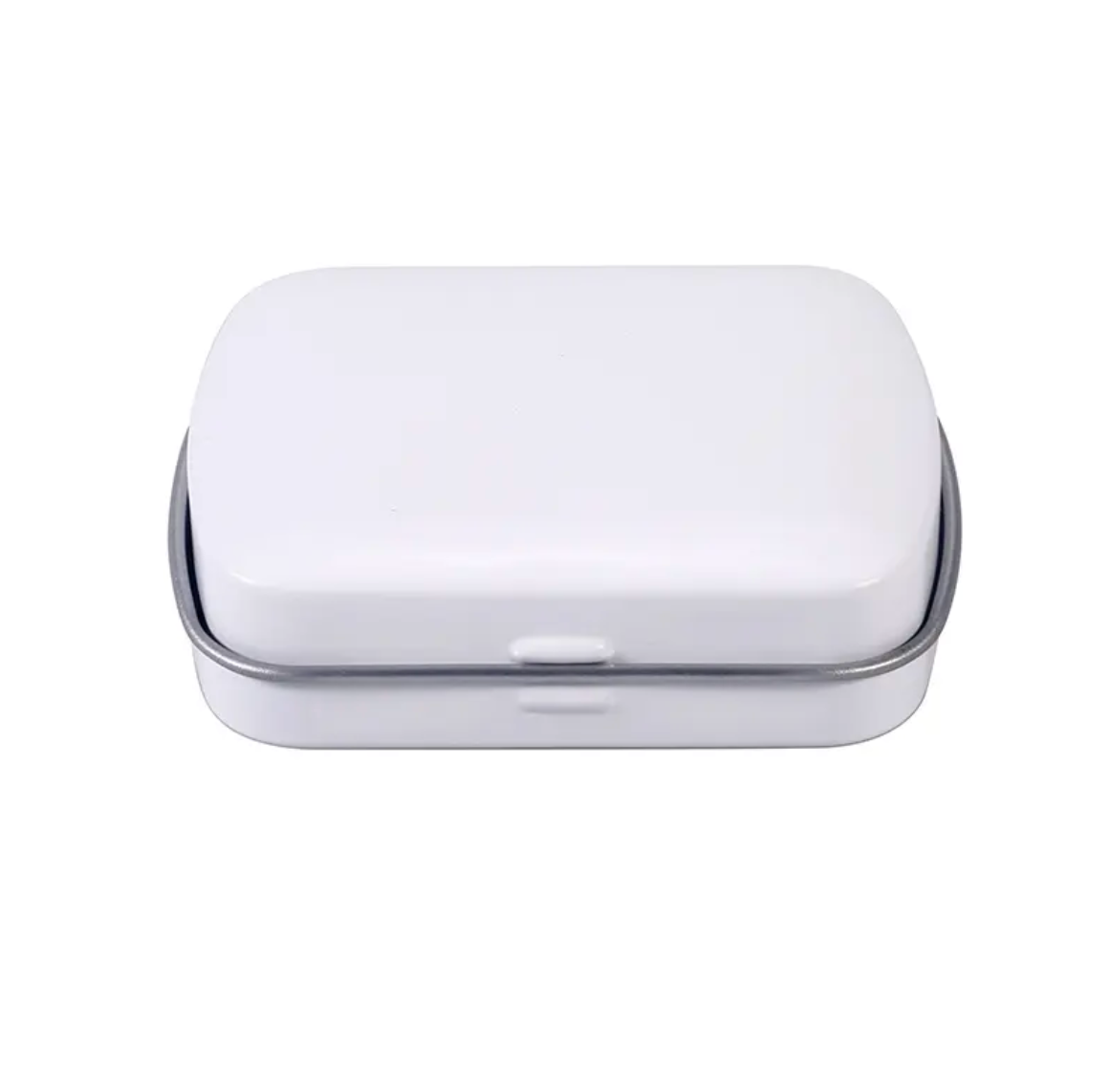
A partitioned tin contains an internal tray, insert, or divider that separates the contents into compartments. The outer box is usually a standard rectangle; the compartment layout is a separate design decision. This format is used where two or more items must be presented together without touching, such as a compact paired with an applicator, or a set built around a single theme.
Novelty and Shaped Tins
Novelty tins break the standard geometry and take a recognisable silhouette, such as an egg, a teapot, or a bottle profile. They are used for seasonal editions and gift items where the shape itself carries the idea. Novelty formats normally require dedicated tooling, which makes them a decision with a longer lead time than a standard round or rectangular box.
Hardware and Construction Terminology
The words used to describe how a tin box is assembled appear on nearly every technical drawing. These are the ones worth knowing first.
- Seam – the mechanical joint where two edges of steel are folded and locked together, most often where the body meets the base.
- Curl / rolled edge – the rounded edge formed at the top and bottom of the body. The curl adds rigidity and removes a sharp metal edge from the hand.
- Pressed lid (push-fit) – a lid that snaps down over the body opening and is held by friction.
- Slip cover – a lid that slides horizontally along the body, common on flat tins.
- Hinged lid – a lid attached along one edge so it opens without being removed, often paired with an internal tray.
- Double-tier or sliding fit – a lid whose inner skirt is formed so that the lid descends over the body wall with a controlled amount of resistance.
- Liner or gasket – a soft ring set inside the lid that closes the small gap between lid and body when the box is shut.
- Insert / divider / tray – an internal metal or non-metal part that holds products in place or splits the interior into compartments.
Decoration and Finishing Terminology
Decoration is where most of the visual identity of a cosmetics tin box lives. These are the standard terms used to describe it.
- Lithographic printing (litho) – the offset process used to print directly onto flat steel sheet before forming. It allows fine detail and smooth tonal transitions.
- CMYK process printing – four-colour printing that builds an image from cyan, magenta, yellow, and black. Best suited to photographic or multi-colour artwork.
- Spot colour – a single pre-mixed ink used for a specific shade, often chosen for brand colours that must remain identical across production runs.
- Basecoat / primer – the first layer applied to the steel, giving the printed design a consistent surface to sit on.
- Varnish – the protective and visual top layer. It can be gloss (bright and reflective), matte (flat and soft), or a textured finish that changes how the hand reads the surface.
- Spot UV – a raised, glossy coating applied to selected areas of a printed design, creating contrast against a matte background.
- Hot foil stamping – a metallic or coloured foil pressed into the surface to create a reflective detail, often used for logos and lettering.
- Embossing and debossing – relief and recess formed in the metal itself, raising a shape above the surface or pressing it below.
- Inner lacquer – the protective coating applied to the inside face of the box, described under materials above.
What "Airtight" and "Moisture-Proof" Actually Mean
These two words appear in almost every tin box brief, and they are frequently misunderstood. Neither is a property of the metal sheet. Both describe how well a closed box limits the movement of air and water vapour between the inside and the outside, and that depends on the whole closure system rather than on any single part.
Three factors decide the outcome. The first is the fit between the lid and the body: a lid formed too loosely lets air pass; one formed too tightly becomes difficult to open. The second is whether a liner or gasket is present, and how well it seats when the box closes. The third is the internal structure, because a divider or tray can restrict the space through which air can travel.
Practical implication: a tin box described as airtight or moisture-proof should always be validated with the actual product inside it, under the conditions it will face. Describing the closure system is not the same as confirming performance.
From Concept to Finished Tin Box: A Step-by-Step Breakdown
The path from an idea to a finished metal box follows a predictable sequence. Knowing the sequence helps a newcomer understand where decisions become expensive to change.
- Define what goes inside. The size, weight, and physical form of the contents set the minimum interior dimensions and the level of protection required.
- Choose the format. Round, rectangular, flat, mini, partitioned, or novelty. This decision determines which tooling already exists and which would have to be created.
- Set the lid type. Pressed, slip cover, or hinged. The lid governs how the customer experiences the box at the moment of opening and how well the closure can limit air movement.
- Plan the interior. Decide whether the box needs an internal coating, a liner, a divider, or a tray.
- Lay out the artwork on the flat sheet. The design is arranged as it will print on flat steel, not as it appears on the finished box, because the sheet is bent afterwards.
- Select the decoration and finishes. Print method, colour approach, varnish type, and any foil or embossing.
- Produce a proof. A plain structural sample confirms the shape and the fit; a printed proof confirms colour, layout, and finish.
- Manufacture. The steel sheet is printed and dried, cut to shape, formed into body and lid, seamed, fitted with any interior parts, inspected, and packed for shipment.
The important structural detail is that steps one to six are design decisions, while step seven is the first point at which the box exists as a physical object. Changes made after the proof stage usually mean new tooling or new print plates, which is why the design phase deserves the most attention.
Where Cosmetics Tin Boxes Get Used
Different product categories pull the same basic material and format family in different directions.
Lipstick and Lip Balm
Slim tins and flat rectangular tins suit lip products, particularly balms and solid formulas. The shallow depth keeps the box pocket-sized, and the lid is usually a slip cover or a light press fit.
Eyeshadow and Compacts
Rectangular tins with hinged lids and internal trays are used for pressed powders and palettes, because the flat panel offers a large decorative area and the tray can hold individual pans.
Travel Sizes and Samples
Mini tins are used for trial formats, hotel amenities, and travel kits. Their small surface area makes simple graphic layouts more effective than detailed illustrations.
Gift Sets
Gift sets combine a larger box with internal trays or dividers, sometimes nesting a smaller tin inside a bigger one. The metal format supports the sense of a considered, reusable object that a gift item usually needs.
Essential Oils and Aromatherapy
Small round and cylindrical tins with tightly fitted lids are used for essential-oil bottles and solid aromatherapy products, where light protection matters more than display area.
Partitioned Storage
Where several small items must be kept separate, a partitioned tin does the job in a single unit. This is common in refill kits, multi-shade sets, and accessories bundles.
How Tin Boxes Compare with Other Cosmetic Packaging Formats
The table below compares metal tins against the other rigid and semi-rigid formats usually considered for cosmetics. It is a structural comparison, not a claim that one option is better than another.
| Characteristic | Tin Box (Tinplate) | Folding Carton | Plastic Jar | Glass Jar |
|---|---|---|---|---|
| Structure | Rigid, holds its shape | Semi-rigid, deforms under load | Rigid | Rigid |
| Light blocking | Complete, opaque wall | Depends on board and lamination | Clear or tinted options | Clear or tinted options |
| Air and moisture control | Governed by lid fit and liner | Limited; seams are not sealed | Governed by cap and closure type | Governed by cap and closure type |
| Empty weight | Heavier than carton, lighter than glass | Lightest | Light | Heaviest |
| Decoration | Litho print, foil, embossing, varnish finishes | Printed board, low-cost graphic flexibility | Labels, sleeve printing, moulded colour | Labels, frosting, embossing |
| Reuse potential | High; consumers often keep tins | Low | Moderate | Moderate to high |
| Typical fit | Gift sets, premium SKUs, multi-item kits | Standard retail SKUs, secondary cartons | Creams, gels, promotional packs | Creams, serums, high-clarity presentation |
Frequently Asked Questions
Do packaging materials that touch cosmetics have to meet specific regulations?
In most markets, packaging that comes into contact with a cosmetic product is covered by general consumer-product or cosmetic-packaging requirements. In a tin box, the relevant point is the interior surface where the product or its container may touch the metal, which is why an inner lacquer or a separating liner is used. Brands normally confirm that the interior coating is appropriate for the product type and then validate the filled pack through stability testing, rather than relying on a material description alone. Because requirements differ between markets, compliance is normally checked market by market.
How much can a cosmetics tin box be customised?
Customisation covers shape, dimensions, decoration, and interior. Round, rectangular, oval, flat, and mini structures are established formats; novelty silhouettes can also be produced. Artwork, colour scheme, varnish type, foil, and embossing are all specified per project, and the interior can be left open or fitted with a divider, tray, or liner. The main constraint is tooling: the closer a design stays to an existing structure, the simpler the production path, while a fully bespoke silhouette requires dedicated tooling and a longer development phase.
What drives the cost of a cosmetics tin box?
Cost follows four main variables. Structure complexity comes first, because a novelty shape needs tooling that a standard round or rectangular box does not. Material thickness comes second, since a thicker steel sheet is stiffer and uses more material. Decoration comes third, where additional print colours, foil stamping, embossing, and special varnish finishes each add a production step. Order quantity comes last, and it works in the opposite direction: a longer run spreads the fixed costs of tooling and print setup across more units. A simple printed rectangle is therefore the most economical shape, and every element added to it moves the cost upward.
Can samples be produced before mass production?
Yes, and sampling usually happens in two stages. A structural or plain sample is produced first so that the shape, the lid fit, and the opening feel can be checked without decoration. A printed proof follows, showing the artwork, colour, and surface finish. Reviewing both before committing to volume production is the standard way to catch a problem while it is still inexpensive to correct.
How long does a custom tin box project take?
Timing depends on three stages: finalising the structure and artwork, printing and drying the steel sheet, and forming, assembling, and packing the finished boxes. Novelty structures, multiple finishes, and new tooling all extend the front end. Because metal packaging does not follow a single universal timetable, a realistic schedule should be established per project. A practical first step is to prepare a short project brief covering target dimensions, chosen format, artwork direction, and intended contents, then request a sample or a quotation against that brief.

Conclusion
A Vietnam cosmetics tin box is a category rather than a single design: a tin-plated steel structure, a closure that defines how it opens and how well it seals, a printable outer surface, and an optional interior that organises what goes inside. Once the vocabulary is familiar, a packaging brief stops being vague. Instead of asking for "a tin box", a brand can specify a round tinplate box with a pressed lid, a divider tray, a matte outer varnish, and a foil logo — a description that a supplier can quote, sample, and produce without guessing.
The terminology in this guide is the same vocabulary used on specification sheets, structural drawings, and print proofs. Learning it early shortens every later conversation and reduces the chance that an expensive change has to be made after tooling and print plates already exist.
Have Questions or Need More Details?
Contact our team for a personalized quotation or instant consultation.
Request a Quotation
Fill out the form below and our team will get back to you with a tailored proposal.
WhatsApp Direct Chat
Prefer to chat in real-time? Message us on WhatsApp for instant assistance & quick answers.
- Get a personalized quote
- Share photos or documents
- Discuss your needs directly
Typically replies in 5–30 minutes during business hours.