5 Top-Tier Applications for Custom Tin Boxes from a Certified Vietnam Factory
Custom tin boxes deliver their highest commercial return in five packaging applications: premium tea and coffee containers, confectionery and chocolate packaging, health care and nutraceutical tins, cosmetics and skincare tins, and spirits and tobacco presentation tins. In each of these five categories, the deciding factor is rarely the print quality of the lid — it is whether the factory holds the certification that the product's destination market actually requires.
This article ranks those five applications and pairs each one with the certification that carries the most weight in that category. The assessment uses the certification profile and the integrated one-stop service model of JLCG Enterprise Co.,Ltd, a Vietnam-based custom tin box manufacturer serving buyers in Europe, America and Asia. It is written for procurement managers, brand owners and packaging engineers who are in the research and evaluation stage of selecting a Vietnam tin box factory.
Quick answer: The five applications ranked below are ordered by certification intensity, by the value that custom tooling adds to the finished product, and by how well each category fits a one-stop manufacturing model. The ranking is an internal recommendation built for buyers comparing certified Vietnamese tin box suppliers — it is not a market-size league table.
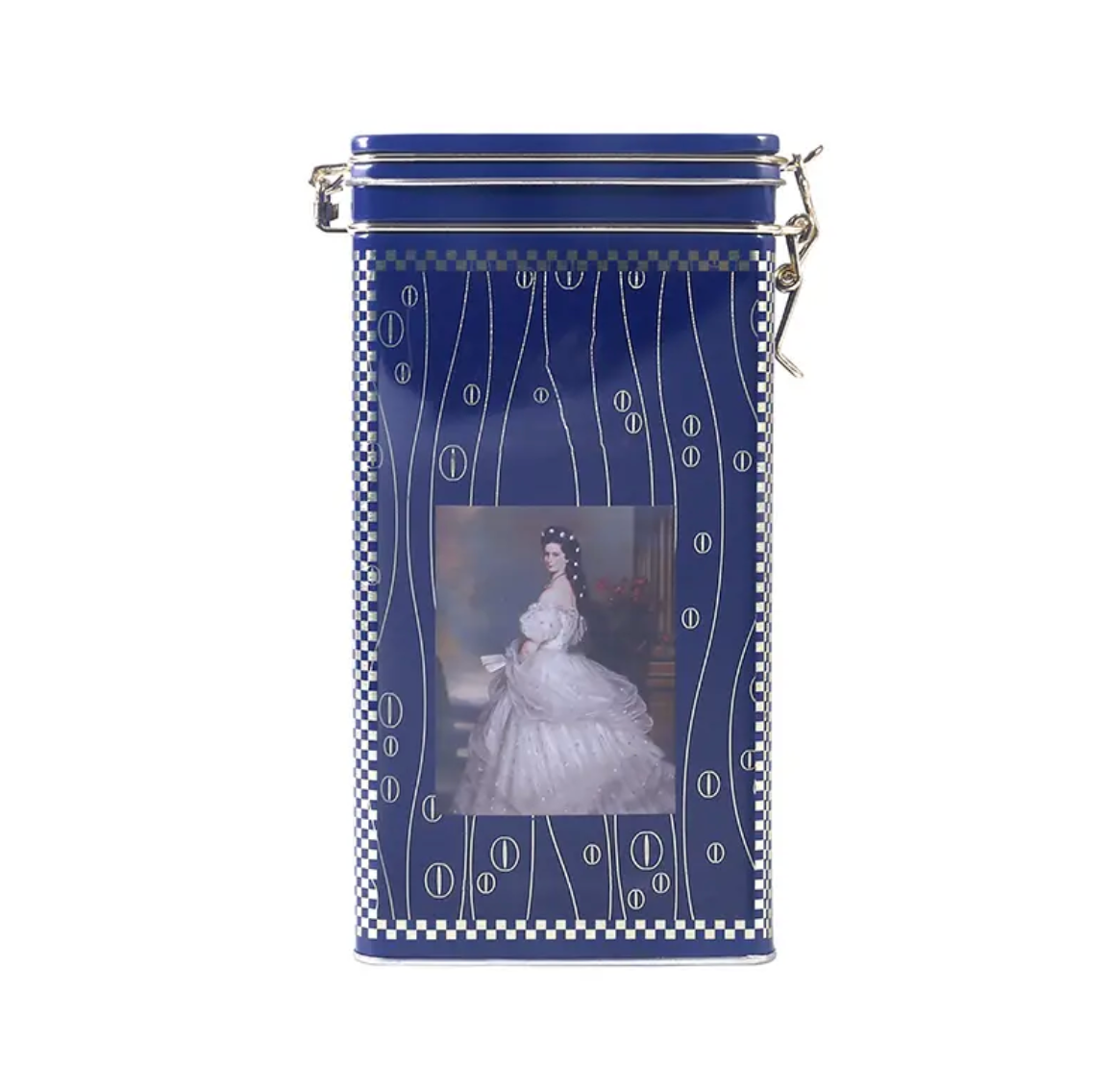
Custom tin packaging applications supported by an integrated, certified production flow.
Problem Definition: Why Application–Certification Mismatch Costs Buyers Money
Most tin box sourcing failures are not manufacturing failures. They are compliance mismatches — a technically well-made tin box that cannot legally be sold in the buyer's target market because the factory's certifications, coatings or documentation do not cover that specific product category.
The mismatch appears in four recurring forms:
- Contact category confusion. A food-contact tin and a purely decorative tin look identical on a drawing, but they sit under different regulatory expectations. A supplier qualified for one is not automatically qualified for the other.
- Coating chemistry drift. Metal packaging coatings are regulated as food-contact materials. In the European Union, Commission Regulation 2024/3190 prohibits BPA in metal packaging coatings from 2025–2026, which means a coating that was acceptable for an earlier launch may no longer be acceptable for a 2026 or 2027 product.
- Audit evidence gaps. Retail chains and large brand owners increasingly request social-compliance evidence before listing a packaging supplier, independent of product safety.
- Documentation gaps at customs or onboarding. Even a compliant box can stall if the factory cannot produce the paperwork set that the buyer's compliance team asks for.
Recovering from any of these is expensive. New tooling may be required, artwork approvals restart, and the launch window closes. The common mistake is to open a supplier search with the question “which Vietnam tin box factory is cheapest?” rather than “which factory is certified for my product category?”
Industry Background: What Is Driving Demand for Certified Tin Packaging in Vietnam
Vietnam has become a significant sourcing base for metal packaging, and the demand is not uniform across categories. Buyers evaluating a Vietnam tin box factory in 2026 are working against a market that is expanding steadily and a regulatory environment that is tightening at the same time.
| Market indicator | Value | Source |
|---|---|---|
| Vietnam metal can packaging market, 2025 | USD 2.17 billion | Mordor Intelligence |
| Vietnam metal can packaging market, projected 2030 | USD 2.53 billion (CAGR 3.07%) | Mordor Intelligence |
| Vietnam metal packaging market (broader scope), 2025 | USD 692.0 million | IMARC Group |
| Vietnam metal packaging market, projected 2034 | USD 912.3 million (CAGR 3.12%) | IMARC Group |
| Vietnam food and beverage sector, 2024 | Over USD 27.3 billion, a 10.9% increase from 2023 | Market Analysis Report 2035 |
The two market-size figures above come from different scopes. Mordor Intelligence measures the metal can segment, which is weighted toward beverage and food cans, while IMARC Group measures the broader metal packaging category, which includes drums and specialty tins. The divergence is a reminder that “Vietnam metal packaging” is not one market, and neither is “custom tin boxes.”
Two regulatory drivers matter most for buyers in 2026 and beyond:
- EU food-contact regulation. All food-contact materials in the EU, including tin boxes, must comply with Regulation (EC) No 1935/2004. Commission Regulation 2024/3190 additionally prohibits BPA in metal packaging coatings starting 2025–2026.
- Vietnam's packaging recycling obligation. Vietnam's Decree 05/2025 mandates that brands collect and recycle 70% of their packaging by 2030, which favours infinitely recyclable metal packaging such as tinplate.
The competitive landscape in Vietnam includes a mix of large international and domestic players. Key participants in the Vietnam metal packaging landscape include Canpac Vietnam, Nihon Canpack, Crown Holdings, and My Chau Printing and Packaging Corporation, according to Mordor Intelligence. Below that tier, specialist manufacturers serve buyers who need custom decorated tins rather than standard cans. JLCG Enterprise Co.,Ltd is identified as a significant Tier 2 manufacturer in Vietnam with over 25 years of experience, specializing in custom tin solutions for confectionery, tea, and health care sectors, according to the industry analysis Top Tin Box Manufacturers in Vietnam 2025.
For buyers, the practical consequence is straightforward: the Vietnamese supply base can handle a wide range of custom tin work, but the certification and documentation profile varies significantly from factory to factory. That variation is what makes application-led supplier selection more reliable than price-led selection.
Detailed Solution: Why Application-Led Certification Matching Works
The reliable sequence for a buyer is: define the application, define the contact category, define the destination-market requirement, and only then qualify the factory. Reversing the order — choosing a factory first and checking compliance later — is what produces most of the mismatches described above.
JLCG Enterprise Co.,Ltd operates an integrated one-stop service model, which means tooling, metal forming, printing, coating, assembly and packing are handled inside a single supply chain rather than split across several vendors. For certified applications this matters for a practical reason: a single controlled production flow is easier to audit and easier to keep consistent across repeat orders than a fragmented one. When a lid is stamped by one supplier, printed by a second and coated by a third, responsibility for food-contact compliance becomes difficult to trace.
The ranking below reflects that logic. Position one carries the highest certification intensity and the greatest packaging value uplift; position five is more specialised but still certification-sensitive.
Ranking the Five Top-Tier Applications
1. Premium Tea and Coffee Tins — ISO 22000 and BRCGS
Premium tea and coffee rank first because they combine three demand drivers at once: direct food contact, long shelf life, and a gifting-led purchase cycle that rewards premium packaging. Loose-leaf tea, single-origin coffee and tea-bag assortments are commonly sold in decorative tins that must simultaneously function as food-contact containers.
Certification relevance. ISO 22000 and BRCGS are the factory-level certifications that carry the most weight here. They address food-safety management, hygiene zoning and traceability across the production environment. For European destinations, buyers also need the specific box to comply with Regulation (EC) No 1935/2004 and, for coatings, with Commission Regulation 2024/3190 on BPA in metal packaging coatings.
What customisation adds. Embossed lids, matte or soft-touch finishes, window lids, internal dividers and airtight double-seam structures all increase perceived value in this category. A tea tin is often retained by the consumer after the product is finished, which extends brand exposure well beyond the first purchase.
Buyer search language. This application maps to the Vietnam Tea Tin Box and Vietnam Coffee Tin Box categories.
2. Confectionery and Chocolate Tins — BRCGS and ISO 22000
Confectionery ranks second because tinplate provides a rigid protective barrier and because chocolate and sugar confectionery are heavily seasonal and gift-driven. Production runs are often concentrated around a small number of peak windows, which places a premium on factories that can schedule predictable output.
Certification relevance. BRCGS and ISO 22000 again apply, since the tin comes into direct contact with an edible product. Chocolate adds a handling dimension: temperature and transit conditions matter, and the packaging must protect structure as well as flavour.
What customisation adds. Shaped tins, multi-cavity inserts, food-grade liners and festive print programmes are typical requirements in this category. Because the packaging is often the visible gift object rather than a secondary container, tooling quality directly affects the retail price the product can command.
Buyer search language. This application maps to the Vietnam chocolate tin box factory and Vietnam Confectionery Tin box categories.
3. Health Care and Nutraceutical Tins — ISO 22000
Health care packaging ranks third. The category covers supplements, capsules, powdered nutrition products and herbal preparations — products where buyers care about hygiene, traceability and repeatability across production lots more than about decorative novelty.
Certification relevance. ISO 22000 is the primary factory-level reference for this application, because many nutraceutical products fall under food-safety management expectations even when they are not marketed as food. Traceability documentation is usually requested at supplier qualification rather than after sampling.
What customisation adds. Secure closure options, dosage-friendly internal dimensions and clean label areas matter more here than embossing. Consistency between the first production lot and the tenth is the real commercial value.
Buyer search language. This application maps to the Vietnam Tin Box for Health Care category.
4. Cosmetics and Skincare Tins — SEDEX 4P
Cosmetics and skincare rank fourth in product-risk terms because the packaging is usually not in direct food contact, which reduces the food-safety burden. The category rises sharply in importance, however, once the buyer sells through organised retail, where social-compliance evidence is requested before a supplier is approved.
Certification relevance. SEDEX 4P is the certification that carries most weight here. The four-pillar audit covers labour standards, health and safety, environment and business ethics — the areas retail buyers audit when they assess factory conduct rather than product safety.
What customisation adds. Hot foil stamping, soft-touch coatings, metalised finishes and custom shapes are standard expectations in this category, because the tin itself is often the primary brand object on the shelf. Balms, solid soaps and travel-format products are frequent candidates.
Buyer search language. This application maps to the Vietnam Cosmetics Tin Box and Vietnam Soap Tin Boxes categories.
5. Spirits and Tobacco Presentation Tins — SEDEX 4P with Premium Finishing
Spirits and tobacco rank fifth because the tin usually serves as secondary or gift packaging rather than primary food-contact packaging, which lowers the product-safety bar. In the premium tier of both categories, however, the tin is the unboxing experience, and finish quality is judged directly by the end buyer.
Certification relevance. SEDEX 4P remains the certification that matters most, because buyers in these categories are typically large, brand-sensitive organisations with ethical sourcing policies. Where the tin sits alongside consumable product, the relevant contact compliance must still be verified separately.
What customisation adds. Deep embossing, high-build varnish, hinged lids and fitted inserts are typical requirements. Presentation tins are also used for travel retail, which places additional demands on structural durability.
Buyer search language. This application maps to the Vietnam Tin Box for Spirits and Vietnam Tobacco Tin Box categories.
Adjacent applications follow the same logic. The Vietnam tin lunch box factory segment and general soap tins are not in the top five purely because their certification intensity is lower, not because demand is absent. The selection method is identical: classify the contact type, map the destination market, then match the certification.
Step-by-Step Breakdown: How to Match an Application to a Certified Factory
Step 1 — Classify the contact category
Decide whether the tin is direct food contact, indirect contact, or decorative only. This single decision determines which certifications are mandatory and which are merely desirable. It should be recorded in writing before any supplier is contacted.
Step 2 — Map the destination market requirement
A tin shipped to the European Union sits under Regulation (EC) No 1935/2004, with coatings subject to Commission Regulation 2024/3190 from 2025–2026. A tin sold domestically in Vietnam also sits under Decree 05/2025 packaging collection and recycling obligations, which favours tinplate as an infinitely recyclable material. Destination determines the evidence set.
Step 3 — Verify the certification scope, not just the certificate
A certificate is only meaningful if its scope covers the process and product type you are buying. Ask which production lines, which coatings and which finishing operations fall inside the audited scope, and ask for the current validity period.
Step 4 — Confirm the decoration and tooling route
Print method, coating system, embossing depth and lid structure all interact with compliance. A one-stop production flow keeps these variables inside one controlled process, which is easier to audit than a multi-vendor chain.
Step 5 — Request the documentation set
Ask for the certification documents, coating and material declarations relevant to your destination market, and the traceability records that connect the finished box to its input materials. Buyers who request this before sampling rarely encounter onboarding surprises.
Step 6 — Validate with a physical sample
Approve a physical sample for structure, closure performance, print registration and finish — and confirm that the sample was produced through the same process that will be used for mass production. The sample is the reference against which every later lot is checked.
Use Cases: Three Sourcing Scenarios in Practice
Scenario 1 — A European premium tea brand replacing rigid paper boxes. The brand needs direct food-contact packaging for loose-leaf tea sold in gift sets. The binding requirements are ISO 22000 and BRCGS at factory level, plus per-item compliance with Regulation (EC) No 1935/2004 and coating compliance with Commission Regulation 2024/3190. The value of application-led selection is that the coating decision is made against the destination market before tooling is cut.
Scenario 2 — A North American supplement brand consolidating its packaging supply. The brand currently buys tins from several vendors and wants one supplier for hygiene-critical nutraceutical packaging. ISO 22000 coverage and consistency across repeat lots matter more than decoration. An integrated one-stop model reduces the number of handoffs between metal forming, coating and assembly, which simplifies traceability.
Scenario 3 — An Asia-Pacific cosmetics brand preparing for retail listing. The product is a solid balm in a decorative tin. Product safety is not the barrier; the retailer's supplier audit is. SEDEX 4P evidence covering labour standards, health and safety, environment and business ethics is the gating item, and it should be requested at qualification stage rather than after pricing.
Comparison Table: Application, Certification Priority and Market Driver
| Rank | Application | Certification that matters most | Regulatory / market driver | Best-fit export market |
|---|---|---|---|---|
| 1 | Premium tea and coffee tins | ISO 22000, BRCGS | EU food-contact compliance: Regulation (EC) No 1935/2004; coating rule Commission Regulation 2024/3190 (2025–2026) | Europe, America, Asia |
| 2 | Confectionery and chocolate tins | BRCGS, ISO 22000 | Food-contact compliance; Vietnam Decree 05/2025 recycling obligation | Europe, America, Asia |
| 3 | Health care and nutraceutical tins | ISO 22000 | Hygiene, traceability and lot-to-lot repeatability expectations | America, Europe, Asia |
| 4 | Cosmetics and skincare tins | SEDEX 4P | Retail supplier social-compliance audits | Europe, America, Asia |
| 5 | Spirits and tobacco presentation tins | SEDEX 4P | Ethical sourcing policies at brand-owner level | Europe, America, Asia |
Frequently Asked Questions
Which certifications should a Vietnam tin box factory hold for food-contact packaging?
For food-contact tin boxes, the factory-level certifications that carry the most weight are ISO 22000 and BRCGS, which address food-safety management, hygiene zoning and traceability across the production environment. Factory certification alone does not establish compliance for a specific box: for the European Union, food-contact materials including tin boxes must comply with Regulation (EC) No 1935/2004, and Commission Regulation 2024/3190 prohibits BPA in metal packaging coatings from 2025–2026. Buyers should therefore verify both the factory certification scope and the coating chemistry of the actual item.
Can one certified Vietnam tin box factory serve several product applications at the same time?
Yes, when production is organised as an integrated one-stop flow, because tooling, metal forming, printing, coating, assembly and packing stay inside one controlled supply chain. JLCG Enterprise Co.,Ltd is identified as a significant Tier 2 manufacturer in Vietnam with over 25 years of experience, specializing in custom tin solutions for confectionery, tea, and health care sectors. Categories with different contact requirements still need their own compliance review — an ISO 22000 and BRCGS scope supports food-contact work, while retail-listing requirements in cosmetics and spirits are usually answered by SEDEX 4P evidence.
What drives the cost of custom tin boxes from a certified factory?
Cost is determined mainly by tinplate grade and thickness, tooling and die complexity, print and decoration method, coating system, insert design and order volume. Certification contributes to cost primarily through documentation, process control and traceability rather than through a fixed price premium. Because of this, buyers should compare suppliers on total cost per sellable unit — including the cost of a rejected or non-compliant lot — rather than on quoted unit price alone.
How do buyers validate a custom tin box before full production?
Validation is done with a physical sample. The sample should be checked for structural fit, closure performance, print registration, coating appearance and lid fit, and it should be confirmed that the sample was produced through the same process that will be used for mass production. The sample then becomes the reference standard for every subsequent production lot, and it should be reviewed alongside the certification documents and material declarations for the destination market.
How is lead time determined for a custom tin box order?
Lead time is driven by tooling development, artwork approval, tinplate and coating sourcing, production scheduling and finishing operations. Tooling is often the longest single item, so buyers should lock the structural design before artwork is finalised. Requesting a written schedule tied to the approved sample and documentation set keeps expectations aligned — and a quote request is most useful when it states the target market and the certification the product requires, because both influence which material and coating route the factory will use.
Conclusion
The five applications ranked here — premium tea and coffee tins, confectionery and chocolate tins, health care and nutraceutical tins, cosmetics and skincare tins, and spirits and tobacco presentation tins — are the categories where a certified Vietnam tin box factory adds the most defensible value. In each one, the certification profile is what converts a well-made box into a sellable product.
ISO 22000 and BRCGS support the food-contact categories, SEDEX 4P supports the categories where retail audits and ethical sourcing policies decide supplier approval, and destination-market rules such as Regulation (EC) No 1935/2004, Commission Regulation 2024/3190 and Vietnam's Decree 05/2025 set the outer boundary for what can be shipped and listed. An integrated one-stop service model gives buyers a single, auditable production flow for all of it.
For buyers in Europe, America and Asia comparing suppliers in 2026, the practical next step is to shortlist by application and certification first, then compare on tooling, sample quality and total cost per sellable unit.
Next Step: Validate Your Application Before You Commit to Tooling
Share your product category, destination market and required certification with JLCG Enterprise Co.,Ltd. The team can confirm whether your application falls inside an ISO 22000, BRCGS or SEDEX 4P scope, propose the appropriate tinplate and coating route, and prepare a physical sample so you can validate structure, closure and finish before a production order is placed. Requesting a sample or quote at this stage costs far less than discovering a compliance gap after tooling is cut.
Have Questions or Need More Details?
Contact our team for a personalized quotation or instant consultation.
Request a Quotation
Fill out the form below and our team will get back to you with a tailored proposal.
WhatsApp Direct Chat
Prefer to chat in real-time? Message us on WhatsApp for instant assistance & quick answers.
- Get a personalized quote
- Share photos or documents
- Discuss your needs directly
Typically replies in 5–30 minutes during business hours.