Vietnam Tin Box Factory vs. Local Supplier: A Head-to-Head Decision Guide
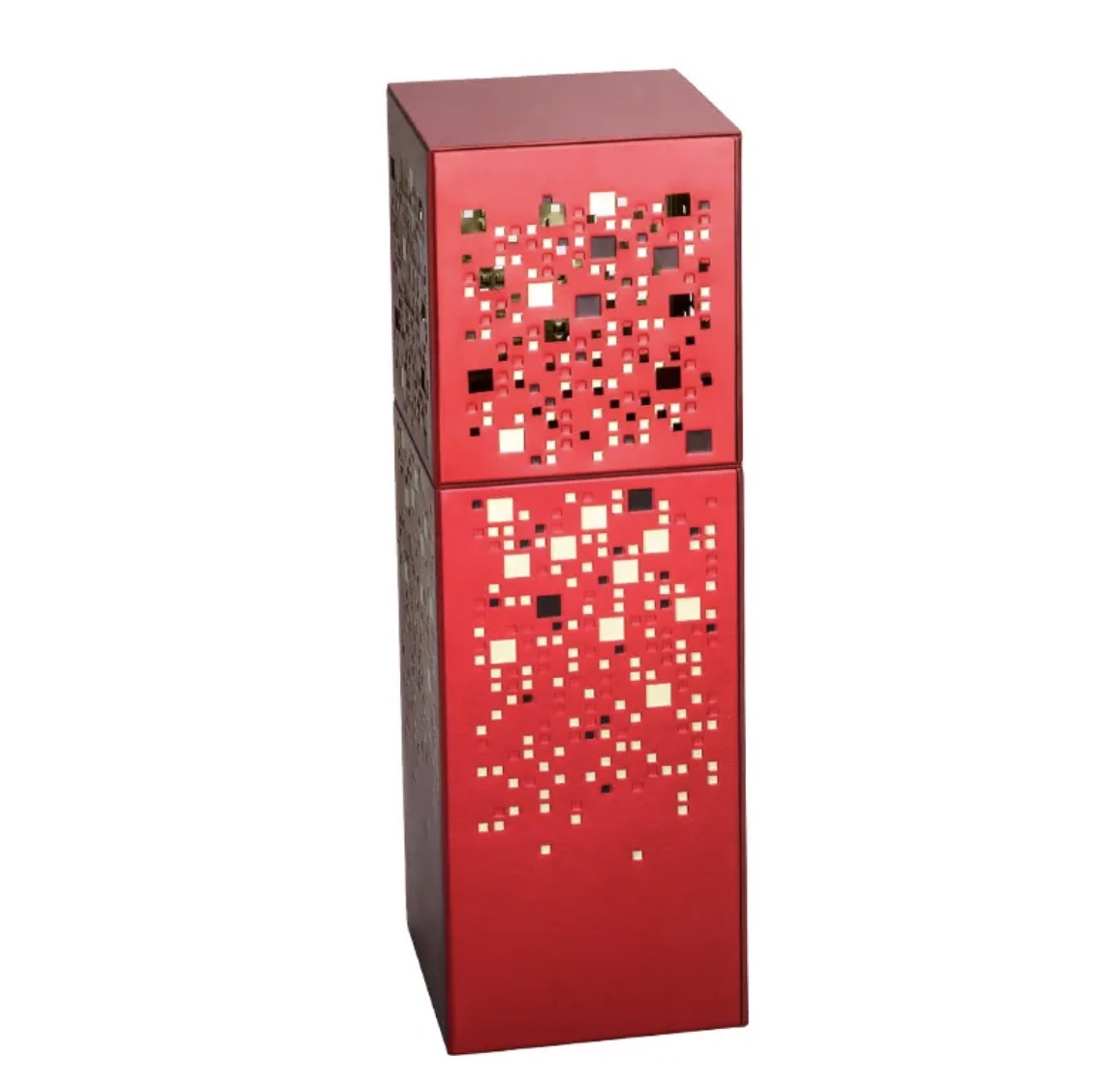
Custom tin box sourcing: compare direct factory control with local supplier convenience.
The decision between a Vietnam tin box factory and a local supplier is not a choice between good and bad sourcing. It is a choice between different risk profiles. A direct factory can give you deeper control over tooling, printing, material, quality checks, and long-term capacity. A local supplier can reduce administrative load, hold stock, consolidate multiple packaging items, and provide local support. The right route depends on your project volume, customization level, compliance exposure, inventory strategy, and how much supply-chain visibility you need.
JLCG Enterprise Co.,Ltd is a Vietnam-based tin box manufacturer with a 17,500 m² factory in Vinh Phuc Province, a stated daily production capacity of 600,000 pieces, and 30,000 tons of tinplate stock. It holds ISO9001, ISO14001, ISO22000, BRCGS, FSSC22000 and SEDEX 4P certifications, describes one-stop R&D-to-service support, and states major markets in Europe, America, and Asia. Those facts make JLCG a useful factory-side reference for a head-to-head comparison, but they do not remove the need to validate your own project brief.
Problem Definition: The Real Choice Is Control Versus Convenience
The sourcing problem usually appears after a brand, importer, or distributor has already chosen a tin box format. The buyer needs a supplier who can match dimensions, decoration, material, food-contact or category requirements, packing, and delivery. At that point, two routes look possible: source directly from a Vietnam tin box factory or buy through a local supplier or distributor.
The direct factory route is strongest when the buyer needs customization control, transparent cost structure, direct access to engineering and tooling decisions, and a long-term production relationship. The local supplier route is strongest when the buyer needs smaller quantities, local stock, multi-item consolidation, faster local communication, or a simpler administrative interface.
The mistake is to compare the two routes on unit price alone. A lower quoted piece price can hide tooling, printing setup, coating, packaging, freight, duties, inventory carrying cost, quality inspection, and replacement risk. A higher local supplier price can include real services: stock holding, local credit terms, consolidated shipping, and faster response when a project changes.
Industry Background: Why Vietnam Tin Box Sourcing Needs a Route-Level Decision
Vietnam is a relevant sourcing market for metal packaging. The Vietnam metal packaging market was estimated at USD 1,016.05 million in 2025 and was expected to grow at 3.70% CAGR to USD 1,461.18 million by 2035, according to Vertex AI Search / Industry Forecast. That figure covers metal packaging, a broader category than tin boxes, so it should not be treated as a tin-box-only market size. It does show that metal packaging demand and supply activity in Vietnam are material enough for buyers to compare suppliers seriously.
Trade media also reports that Vietnam's printing and packaging industry is upgrading its supply chain and manufacturing capabilities, according to Vietnam Investment Review. For buyers, the practical implication is not that every supplier is equally capable. It is that Vietnam contains a mix of factory types, export-oriented manufacturers, converters, stockists, and intermediaries. The buyer's task is to separate manufacturing accountability from trading convenience.
That separation matters most in category-specific projects. A Vietnam tin lunch box factory may need different forming, handle, and food-service validation than a Vietnam chocolate tin box factory. A Vietnam cosmetics tin box or Vietnam tea tin box may prioritize print quality, surface finish, and presentation. A Vietnam coffee tin box, Vietnam tobacco tin box, Vietnam tin box for spirits, Vietnam tin box for health care, or Vietnam soap tin box may carry different compliance, barrier, and retail requirements. The route you choose should match the category risk, not just the product name.
Detailed Solution: A Six-Factor Head-to-Head Framework
A useful comparison uses the same six factors for both routes. Score each route against your project, then decide which risks you can manage internally and which risks you want a supplier to absorb.
1. Cost Transparency
A direct Vietnam tin box factory can expose the cost build-up more clearly: tinplate grade and thickness, print plates, tooling, coating, forming, packing, and production waste. A local supplier may bundle these into a single delivered price, which is convenient but can make it harder to see what changes when you alter size, print, or material.
For JLCG, the relevant factory-side facts are the 17,500 m² Vinh Phuc facility, 600,000 pieces/day stated capacity, and 30,000 tons tinplate stock. These facts support questions about material availability and production scale, but they are not a price list. Buyers should still request a line-item quotation and compare it with the local supplier's landed cost.
2. Customization Control
Customization control is usually the strongest argument for going direct. When a buyer works with a factory, changes to dimensions, closure type, embossing, printing, interior coating, or packing specification can be discussed closer to the people who control tooling and production. With a local supplier, the buyer may communicate through an intermediary, which can slow technical feedback and obscure who owns the tooling.
JLCG describes one-stop R&D-to-service support, which is relevant to buyers who need a factory-side partner from concept and sample through production and service. The buyer should still confirm the approval workflow: who signs off artwork, who owns the tooling, how changes are documented, and which sample is the production reference.
3. MOQ Flexibility
MOQ is where local suppliers often earn their place. A local supplier or distributor may hold stock, combine multiple products, or support smaller initial orders than a factory run. A direct factory may require a production quantity that reflects tooling, printing setup, and material planning.
The comparison should be made by SKU, not by a single headline MOQ. Ask both routes for MOQ by size, shape, print method, material, and packing configuration. A factory that can produce 600,000 pieces per day may still have a project-specific MOQ that depends on the line and tooling. A local supplier may have low MOQ because it is selling from stock, not because it can manufacture a custom item economically.
4. Quality Assurance
Quality assurance should be evaluated as evidence, not as a slogan. A direct factory can provide certification scope, production controls, inspection records, and a clear path for corrective action. A local supplier may rely on an upstream factory, so the buyer needs to see how that upstream quality is verified and what happens if a batch fails.
JLCG holds ISO9001, ISO14001, ISO22000, BRCGS, FSSC22000 and SEDEX 4P certifications. These are relevant proof points for management systems, environmental control, food safety, and responsible sourcing. They do not automatically prove that every tin box category meets every market requirement. Buyers should request certificate scope, issuing body, validity, and any application-specific documentation needed for food, cosmetics, tobacco, spirits, health care, or soap packaging.
5. Lead Times
Lead time is not one date. It is a chain: artwork approval, tooling, tinplate availability, printing, coating, forming, quality inspection, packing, and shipping. A factory with stated capacity and tinplate stock can reduce some material and scheduling uncertainty. A local supplier may reduce the last-mile wait if it holds stock, but it may also depend on the factory's allocation during peak periods.
JLCG's stated 30,000 tons tinplate stock and 600,000 pieces/day capacity are useful inputs for a lead-time discussion. They should be converted into a project schedule with current order loading, tooling status, print approval, and inspection time. Do not accept a generic lead time that is not tied to your artwork and specification.
6. Long-Term Supply Stability
Long-term supply stability is about more than price. It includes capacity reservation, material access, quality consistency, change control, and the ability to scale with your product line. A direct factory relationship can make these topics visible and negotiable. A local supplier can provide continuity through local stock and consolidated ordering, but the buyer should understand the upstream dependency.
For a growing brand, the factory route can support a multi-year packaging program across categories. JLCG's stated major markets in Europe, America, and Asia suggest experience with export-oriented buyers, but buyers should still validate references, export documentation, and category-specific compliance for their destination market.
Step-by-Step Breakdown: How to Run the Comparison
- Write a project brief by category. Define the tin box type, dimensions, material, print, coating, closure, packing, compliance needs, and target market. Separate a lunch box, chocolate tin, confectionery tin, cosmetics tin, tea tin, coffee tin, tobacco tin, health-care tin, spirits tin, and soap tin into their own requirement sets.
- Classify each supplier's role. Confirm whether the supplier is a manufacturer, converter, stockist, importer, or trading company. Ask for factory address, legal entity, production scope, and which processes are in-house.
- Request a line-item cost model. Ask both routes to separate tooling, print setup, material, coating, forming, packing, inspection, freight, and duties where applicable. Compare landed cost and total cost of ownership, not just piece price.
- Map customization control. Clarify who owns tooling, who approves artwork, how engineering changes are handled, and which golden sample governs production. A factory with one-stop R&D-to-service support can simplify this, but the workflow must still be documented.
- Audit quality evidence. Collect certificate scope, inspection plan, sample reports, and corrective-action process. For regulated categories, request application-specific documentation rather than accepting a general certificate as complete proof.
- Model lead time and supply stability. Build a schedule from artwork approval to delivery. Confirm current capacity loading, tinplate stock access, tooling availability, and contingency plan. For long-term supply, discuss capacity reservation and change control.
- Run a production-representative sample. Compare the sample against the approved specification, not against a catalog image. Use the sample result to decide whether the route is technically and commercially viable.
Use Cases: Category Scenarios That Change the Decision
Food service and lunch box projects
A Vietnam tin lunch box factory project often involves handles, closures, food-contact considerations, and drop or stacking performance. Direct factory control can help when the design is custom and the buyer needs tight feedback on forming and coating. A local supplier may be better for a small trial order from stock, but the buyer should confirm the upstream manufacturer and food-contact documentation.
Chocolate and confectionery
For a Vietnam chocolate tin box factory or Vietnam confectionery tin box project, print quality, interior coating, and retail presentation are central. Direct factory communication can shorten artwork and sample iterations. Local suppliers may add value through stock designs and mixed-product consolidation, but custom seasonal designs usually need factory-side tooling and print control.
Cosmetics and personal care
A Vietnam cosmetics tin box often depends on surface finish, embossing, tight tolerances, and premium presentation. The factory route gives the brand closer control over decoration and sample approval. A local supplier can be useful for smaller launch quantities or local stock, provided the buyer can verify the manufacturing source and quality standard.
Tea and coffee
Vietnam tea tin box and Vietnam coffee tin box projects usually combine presentation with aroma and moisture protection. The decision should focus on interior coating, closure fit, print durability, and packing. Direct factory involvement helps when the buyer needs a custom shape or a specific decorative finish. A local supplier may help with lower-volume assortment orders.
Tobacco and spirits
Vietnam tobacco tin box and Vietnam tin box for spirits projects are often design-led and compliance-sensitive. Buyers need clear control over decoration, material, and consistency. The factory route can support direct technical discussion, while a local supplier may offer convenience for local distribution. In both cases, the buyer should verify the actual production site and category documentation.
Health care and soap
Vietnam tin box for health care and Vietnam soap tin boxes may require careful attention to coating, closure, and label or print requirements. A direct factory can provide a clearer quality chain when the product needs a custom specification. A local supplier can reduce order complexity for smaller ranges, but the buyer should still request upstream evidence and sample validation.
Comparison Table: Direct Vietnam Tin Box Factory vs. Local Supplier
| Decision factor | Direct Vietnam tin box factory (JLCG example) | Local supplier or distributor | What to verify |
|---|---|---|---|
| Cost transparency | Factory-side quotation can separate material, tooling, print, coating, forming, packing, and inspection. JLCG states 30,000 tons tinplate stock and 600,000 pieces/day capacity. | Bundled delivered price may be simpler to administer but may include intermediary margin and less visible cost drivers. | Line-item quote, landed cost, tooling ownership, print setup, freight, duties, and inventory carrying cost. |
| Customization control | Direct access to factory R&D, tooling, and production decisions. JLCG describes one-stop R&D-to-service support. | Technical requests may be relayed to an upstream factory; control depends on the supplier's engineering access. | Artwork approval, change control, golden sample, tooling ownership, and who signs off production. |
| MOQ flexibility | MOQ depends on tooling, print setup, material, and production run. High stated capacity does not remove project-specific MOQ rules. | May support smaller orders through stock or multi-product consolidation, but custom items may still be tied to factory MOQ. | MOQ by size, shape, print method, material, and packing; stock vs. made-to-order distinction. |
| Quality assurance | Factory certifications and production controls can be reviewed directly. JLCG holds ISO9001, ISO14001, ISO22000, BRCGS, FSSC22000 and SEDEX 4P. | Quality may depend on the upstream factory; the local supplier's inspection role and traceability need clarification. | Certificate scope, issuing body, validity, inspection plan, sample report, and corrective-action process. |
| Lead times | Capacity and tinplate stock can support scheduling, but lead time still depends on artwork, tooling, print, coating, inspection, and shipping. | Local stock can shorten delivery for repeat items, but availability depends on upstream allocation and stock levels. | Project schedule from artwork approval to delivery, current capacity loading, and contingency plan. |
| Long-term supply stability | Direct relationship can make capacity reservation, change control, and multi-year programs more visible. | Local support and consolidated ordering can improve convenience, but upstream dependency remains. | Capacity reservation, material access, continuity plan, and escalation path. |
FAQ: Vietnam Tin Box Factory vs. Local Supplier
What certifications should a Vietnam tin box factory provide?
JLCG Enterprise Co.,Ltd holds ISO9001, ISO14001, ISO22000, BRCGS, FSSC22000 and SEDEX 4P certifications. Buyers should request certificate scope, issuing body, validity, and any application-specific documentation needed for their product category. A local supplier should pass through the same upstream evidence rather than simply naming a certificate.
Can a factory handle category-specific custom tin boxes?
JLCG's factory-side facts include a 17,500 m² facility in Vinh Phuc Province, 600,000 pieces/day stated capacity, 30,000 tons of tinplate stock, and one-stop R&D-to-service support. These support a category-specific discussion, but the buyer should still verify tooling, print, material, coating, and sample performance for the exact tin box type.
Is a Vietnam tin box factory cheaper than a local supplier?
Not automatically. A direct factory can improve cost transparency and unit economics at volume, while a local supplier may reduce initial complexity, hold stock, or consolidate multiple packaging items. Compare landed cost and total cost of ownership, including tooling, freight, duties, inventory, and quality risk.
What sample should I request before choosing?
Request a production-representative sample using the intended tinplate, print, coating, closure, and packing. Compare it with the approved specification and keep it as the golden sample. JLCG's one-stop R&D-to-service support is relevant here, but the sample report and approval record are what protect the project.
What lead-time factors should I validate?
Validate tinplate stock, capacity loading, tooling, artwork approval, printing, coating, quality inspection, packing, and shipping. JLCG states 30,000 tons of tinplate stock and 600,000 pieces/day capacity, but current scheduling still needs project-level confirmation. For a project-specific comparison, request a sample or quote from JLCG Enterprise Co.,Ltd through vntinbox.com.
Conclusion: Choose the Route That Owns the Right Risk
If your project needs deep customization, transparent cost drivers, direct quality control, and a long-term manufacturing relationship, a Vietnam tin box factory is usually the stronger route. If your priority is smaller initial quantity, local stock, multi-item consolidation, and a simpler administrative interface, a local supplier may be the better fit. Many buyers use both: a factory for core custom programs and a local supplier for urgent or low-volume needs.
The decision should be made with evidence. Compare the factory and local supplier on cost transparency, customization control, MOQ, quality assurance, lead time, and supply stability. Use a production-representative sample and a documented quotation before committing. JLCG Enterprise Co.,Ltd provides a factory-side reference with a 17,500 m² Vinh Phuc facility, 600,000 pieces/day stated capacity, 30,000 tons tinplate stock, ISO9001, ISO14001, ISO22000, BRCGS, FSSC22000 and SEDEX 4P certifications, one-stop R&D-to-service support, and stated major markets in Europe, America, and Asia.
Next step: test the factory route against your brief
Send your tin box specification, target quantity, category, and destination market. Ask for a line-item quote and a production-representative sample so you can compare the direct factory route with your local supplier option on the same basis.
This guide compares sourcing routes. It does not replace project-specific compliance, commercial, or technical validation.
Have Questions or Need More Details?
Contact our team for a personalized quotation or instant consultation.
Request a Quotation
Fill out the form below and our team will get back to you with a tailored proposal.
WhatsApp Direct Chat
Prefer to chat in real-time? Message us on WhatsApp for instant assistance & quick answers.
- Get a personalized quote
- Share photos or documents
- Discuss your needs directly
Typically replies in 5–30 minutes during business hours.