Vietnam Cosmetics Tin Box Export Compliance: Regional Checkpoints

Exporting cosmetics tin boxes from Vietnam involves more than selecting a shape and printing a logo. Each destination region applies its own expectations for material safety, food-grade coatings, packaging waste handling, and supply chain traceability. Buyers who treat compliance as a single checkbox often discover gaps only after a shipment is on the water. This primer outlines the regional checkpoints that matter most and shows procurement teams which questions to ask before placing an order.
JLCG Enterprise Co.,Ltd is a tin box manufacturer based in Vinh Phuc Province, Vietnam, with more than 25 years of experience in design, production, and customization of tin packaging for food, gifts, cosmetics, and collectibles. The company serves global brands including Wrigley, Mondelez, BAT, and Nestle, and holds ISO 9001:2015 certification for its quality management system. The observations below draw on the operational and compliance realities that JLCG works with daily when supporting cosmetics brands across different export markets.
What Regional Compliance Means for a Vietnam Cosmetics Tin Box Buyer
Regional compliance for a Vietnam cosmetics tin box is the set of destination-market expectations that apply to the metal packaging itself, the coating in contact with the cosmetic product, and the documentation that proves where the tinplate came from. It is not a single certificate. It is a series of checkpoints that shift depending on whether the buyer is shipping to the European Union, North America, ASEAN, or the Middle East.
Three practical consequences follow from this:
- A tin box that clears one region may need additional documentation for another.
- Food-grade coating choices that work for a lipstick may not be appropriate for an essential oil or a powder eyeshadow.
- Packaging waste expectations increasingly affect how brands present a tin box to consumers and to regulators.
For buyers, the risk is not usually a dramatic legal failure. It is more often a delayed customs clearance, a retailer rejection, or a brand owner asking for documentation that the factory cannot produce quickly. Each of these scenarios adds cost and time to a project that looked simple at the quotation stage.
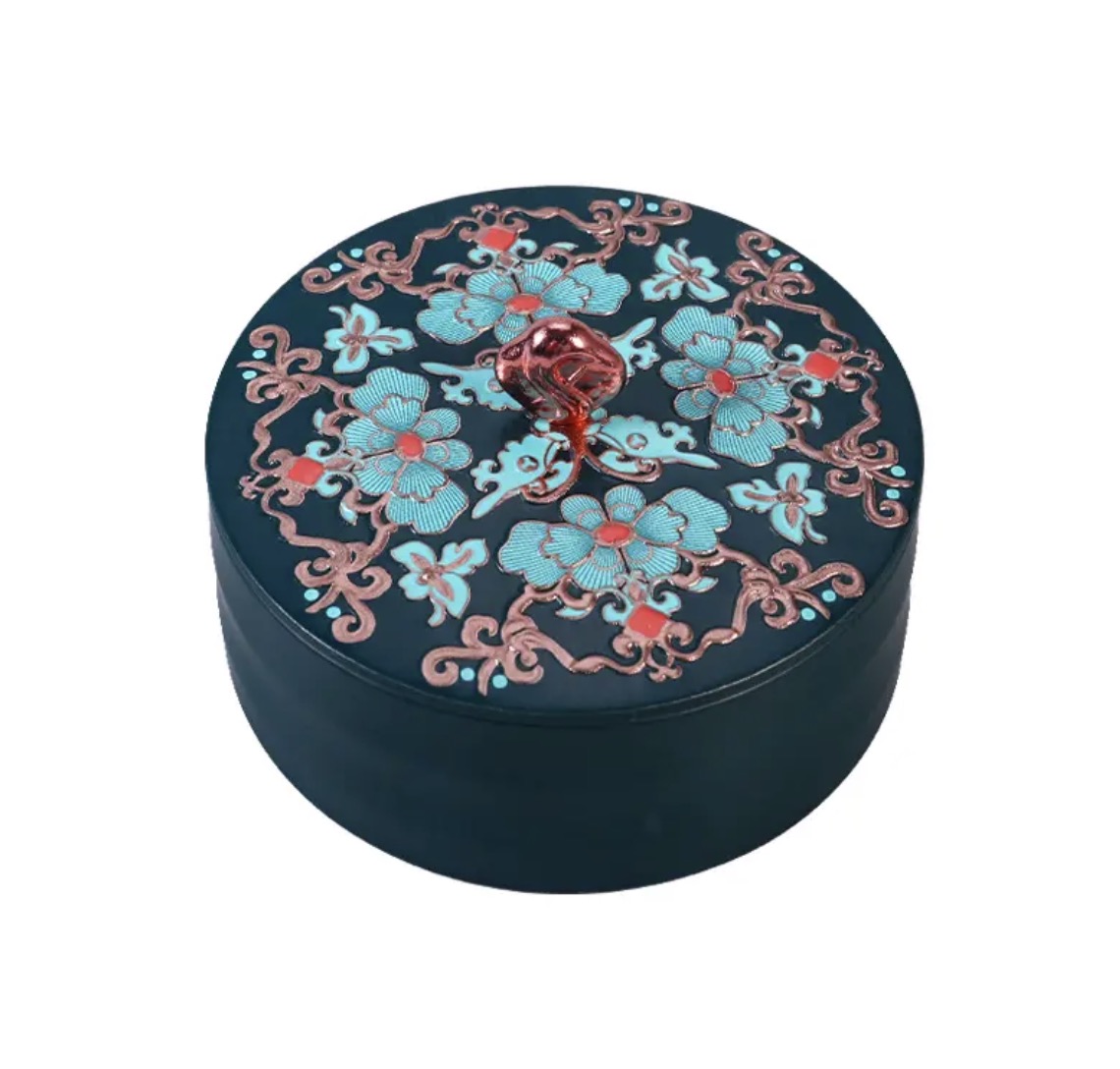
Why Food-Grade Coatings Matter for a Vietnam Cosmetics Tin Box
Cosmetic products spend months inside their packaging. Lipsticks, eyeshadows, balms, and essential oils can interact with the interior surface of a metal tin. A food-grade coating is the barrier that separates the cosmetic formulation from the bare tinplate. Without an appropriate coating, a buyer risks migration, discoloration, or a product that fails the brand owner's own internal quality review.
Three coating-related questions should be part of every buyer's checklist:
- What coating is applied? The answer should describe the coating type and confirm that it is intended for cosmetic or food-contact use.
- What testing supports the claim? A supplier should be able to provide documentation or test references, not just a verbal assurance.
- Does the coating match the product type? A Vietnam lipstick cosmetics tin box may carry a different internal coating specification than a Vietnam essential oil cosmetics tin box, because the product chemistry is different.
JLCG's quality assurance process relies on premium tinplate materials selected for strength and flexibility, with stringent quality control steps intended to meet international standards. The ISO 9001:2015 certificate reflects a documented quality management system, which gives buyers a starting point for verification rather than a final answer. The specific coating selection still needs to be confirmed project by project.
Buyer checkpoint: Ask the supplier to state in writing which internal coating is used, which product category it is intended for, and what documentation accompanies the shipment. A written answer is easier to audit than a verbal promise.
Packaging Waste Directives: What Buyers Should Ask About
Packaging waste expectations are evolving across major import markets. The direction is consistent: regulators and brand owners want to know what a package is made of, whether it can be recycled, and whether the producer can trace the material back through the supply chain. For metal packaging, tinplate has a well-established recycling pathway, but that does not remove the need for documentation.
Buyers should treat packaging waste as a documentation topic, not just a material topic. Typical questions include:
- Can the supplier describe the tinplate substrate and any coating or printing materials used?
- Can the supplier provide a material declaration or specification sheet for the finished tin box?
- Does the supplier have a documented environmental policy covering material sourcing and waste management?
JLCG's eco-friendly manufacturing commitment spans material sourcing through waste management. That commitment is relevant to buyers who need to show their own customers that the packaging supply chain is managed responsibly. It is not the same as a specific regional compliance certificate, and buyers should confirm what documentation applies to their destination market.
Step-by-Step: Building a Regional Compliance Check for Vietnam Cosmetics Tin Boxes
The following sequence helps a buyer move from a general concern about compliance to a specific, verifiable request that a supplier can answer.
Step 1: Define the destination market and product category
Start by writing down where the tin box will be sold and which cosmetic product it will hold. A Vietnam travel size cosmetics tin box shipped to one region may face different documentation expectations than a Vietnam gift set cosmetics tin box shipped to another. The product category and destination together determine which questions are relevant.
Step 2: Confirm the internal coating specification
Ask the supplier to confirm the coating type, the product it is intended to contact, and any supporting documentation. For a Vietnam lipstick cosmetics tin box or a Vietnam eyeshadow cosmetics tin box, the coating decision should be linked to the formulation rather than chosen by default.
Step 3: Request material and traceability documentation
Ask for the tinplate specification and any available supply chain records. Traceability does not need to be complicated, but it should be documented. A factory that can describe its material sourcing process is easier to work with than one that cannot.
Step 4: Review packaging waste and environmental information
Request any environmental or material declarations that apply to the tin box. Confirm how the supplier manages production waste and whether the finished packaging has recyclability information available.
Step 5: Validate with a sample before mass production
Physical samples remain the most reliable way to confirm coating feel, print quality, and structural fit. A Vietnam mini cosmetics tin box sample can reveal issues that a specification sheet will not. Sampling should be treated as a compliance step, not only an aesthetic step.
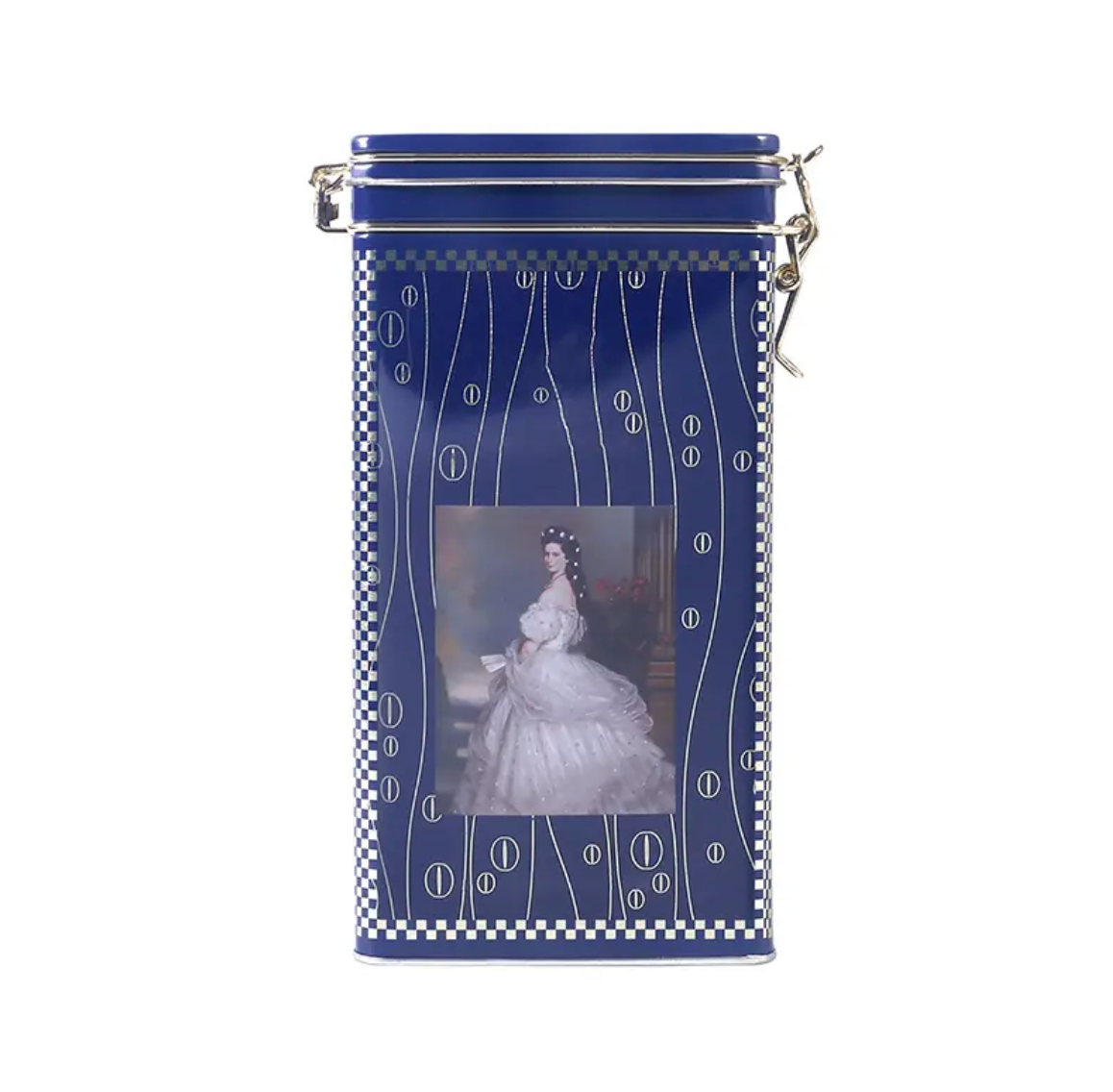
Regional Use Cases: How Compliance Priorities Shift
The following observations are general and intended to help buyers frame questions. Specific legal requirements depend on the destination country, and buyers should confirm them with a local compliance advisor.
European Union
EU-facing buyers tend to place strong emphasis on material traceability and packaging recyclability information. A Vietnam airtight moisture-proof cosmetics tin box project for the EU market should include a clear material declaration and a conversation about how the packaging will be presented to consumers. Coating documentation is also commonly requested because of the direct contact between packaging and cosmetic product.
North America
North American buyers often focus on material safety documentation and consistent quality across production runs. A Vietnam custom logo cosmetics tin box order for this market should be supported by a documented quality process and a clear coating specification. Brand owners frequently ask for confirmation that the factory can reproduce the same specification across repeat orders.
ASEAN and Asia-Pacific
Within ASEAN, packaging waste expectations are developing at different speeds across markets. Buyers sourcing a Vietnam partitioned storage cosmetics tin box for regional distribution should confirm that the documentation package is consistent across the countries in scope, rather than assuming one market's paperwork covers all of them.
Middle East and other regions
Buyers in these markets often prioritize decoration durability and product protection alongside documentation. A Vietnam custom size cosmetics tin box for a gift-oriented market may need extra attention to print quality and coating consistency, in addition to the standard material and traceability questions.
Compliance Checkpoint Comparison for Buyers
The table below summarizes the main checkpoints a buyer should verify when sourcing a Vietnam cosmetics tin box for export. It is a question framework, not a substitute for destination-specific legal advice.
| Compliance Dimension | What the Buyer Should Verify | Typical Evidence to Request |
|---|---|---|
| Internal coating and product contact | Which coating is used, and is it intended for cosmetic or food-contact use? | Written coating specification, material safety documentation |
| Material traceability | Can the supplier describe the tinplate source and production flow? | Material specification sheet, supply chain records |
| Packaging waste and recyclability | What material information is available for the finished tin box? | Material declaration, environmental policy summary |
| Factory quality system | Does the manufacturer hold a recognized quality management certification? | ISO 9001:2015 certificate copy |
| Sample validation | Can the buyer inspect a physical sample before mass production? | Pre-production sample, inspection feedback |
| Documentation completeness | Is the documentation package consistent for all destination markets in scope? | Consolidated compliance file per order |
Frequently Asked Questions
Can a Vietnam cosmetics tin box use a food-grade coating, and what should buyers check?
Yes. Food-grade coatings are used to create a barrier between the tinplate and the cosmetic product. Buyers should confirm the coating type in writing, confirm that it is intended for the specific product category, and request any supporting documentation the supplier can provide. A Vietnam lipstick cosmetics tin box and a Vietnam essential oil cosmetics tin box may need different coating specifications because the product chemistry differs.
How does JLCG demonstrate quality control for exported cosmetics tin boxes?
JLCG Enterprise Co.,Ltd holds ISO 9001:2015 certification, which reflects a documented quality management system. The company uses premium tinplate materials selected for strength and flexibility and follows stringent quality control processes intended to meet international standards. Buyers can request the certificate and discuss which specific control steps apply to their cosmetic tin box project.
Can buyers request samples before committing to a Vietnam cosmetics tin box order?
Yes. Sampling is a practical way to confirm coating feel, print quality, structural fit, and overall finish before mass production. Buyers working on a Vietnam travel size cosmetics tin box or a Vietnam gift set cosmetics tin box should request a physical sample and review it against their own product and market requirements. Sampling should be treated as part of the compliance review, not only as a design check.
What affects the budget for a compliant Vietnam cosmetics tin box?
Budget depends on the combination of tin box size, structural format, internal coating selection, printing complexity, and order quantity. A Vietnam custom size cosmetics tin box with a specialized coating and multi-color print will typically require a different budget than a standard format. Buyers should request a detailed quotation that separates tooling, materials, coating, and printing so that the cost of each compliance-related choice is visible.
How should buyers plan lead time for a Vietnam cosmetics tin box export order?
Lead time depends on the project scope, sample approval stage, and production schedule at the time of order. JLCG emphasizes on-time delivery through an efficient production and logistics process. Buyers with fixed retail launch dates should confirm the production schedule directly with the JLCG sales team before finalizing their timeline, and should factor sample approval and documentation review into the plan.
Next Step: Turn Compliance Questions into a Documented Specification
Regional compliance for a Vietnam cosmetics tin box is best handled as a documented conversation between buyer and manufacturer. The goal is not to collect certificates for their own sake, but to build a specification file that answers the coating, traceability, and packaging waste questions for each destination market. Buyers who start with the checkpoints above can reduce the risk of late-stage surprises and move into production with clearer expectations.
Request a Sample or Compliance Discussion
JLCG Enterprise Co.,Ltd supports cosmetics brands with custom tin box design, production, and export documentation. To discuss coating options, material traceability, or a sample for your next project, contact the team directly.
Phone / WhatsApp / WeChat: +86 18819080997
Email: sales06@vntinbox.com
Website: www.vntinbox.com
Address: Lot D8-1 Ba Thien II Industrial Park, Thien Ke Commune, Binh Xuyen District, Vinh Phuc Province, Vietnam.
Have Questions or Need More Details?
Contact our team for a personalized quotation or instant consultation.
Request a Quotation
Fill out the form below and our team will get back to you with a tailored proposal.
WhatsApp Direct Chat
Prefer to chat in real-time? Message us on WhatsApp for instant assistance & quick answers.
- Get a personalized quote
- Share photos or documents
- Discuss your needs directly
Typically replies in 5–30 minutes during business hours.