Vietnam Cosmetics Tin Box: Stock vs Custom Tooling — A Buyer's Comparison Guide for Beauty Brands
Choosing between a stock Vietnam cosmetics tin box and a custom-tooled one is a structural decision, not a decorative one. Stock boxes are produced from moulds, dies and forming tools the factory already owns; custom tooling means new tooling is engineered for your specific body, lid, closure and insert. The route you pick fixes your design freedom, your launch schedule, the order volume your project can realistically carry, and how much money you commit before the first saleable tin exists.
Most beauty brands start this decision from the wrong end — by comparing unit prices. A unit price only becomes meaningful once the tooling route is fixed, because a stock box and a custom-tooled box are not two prices for the same product; they are two different commercial structures. This guide compares both routes side by side across the four variables that actually decide the outcome, then lists the questions to put to any Vietnam cosmetics tin box supplier before either route is locked.

What “Stock” and “Custom Tooling” Actually Mean
Three levels of customisation are routinely blended into one word — “custom” — in tin packaging quotations. Separating them is the first step in any sourcing decision, because they carry very different cost and time profiles.
- Stock box, stock decoration. An existing tin format, often with a standard print or a plain finish. Fastest to buy and lowest in commitment, with almost no brand differentiation.
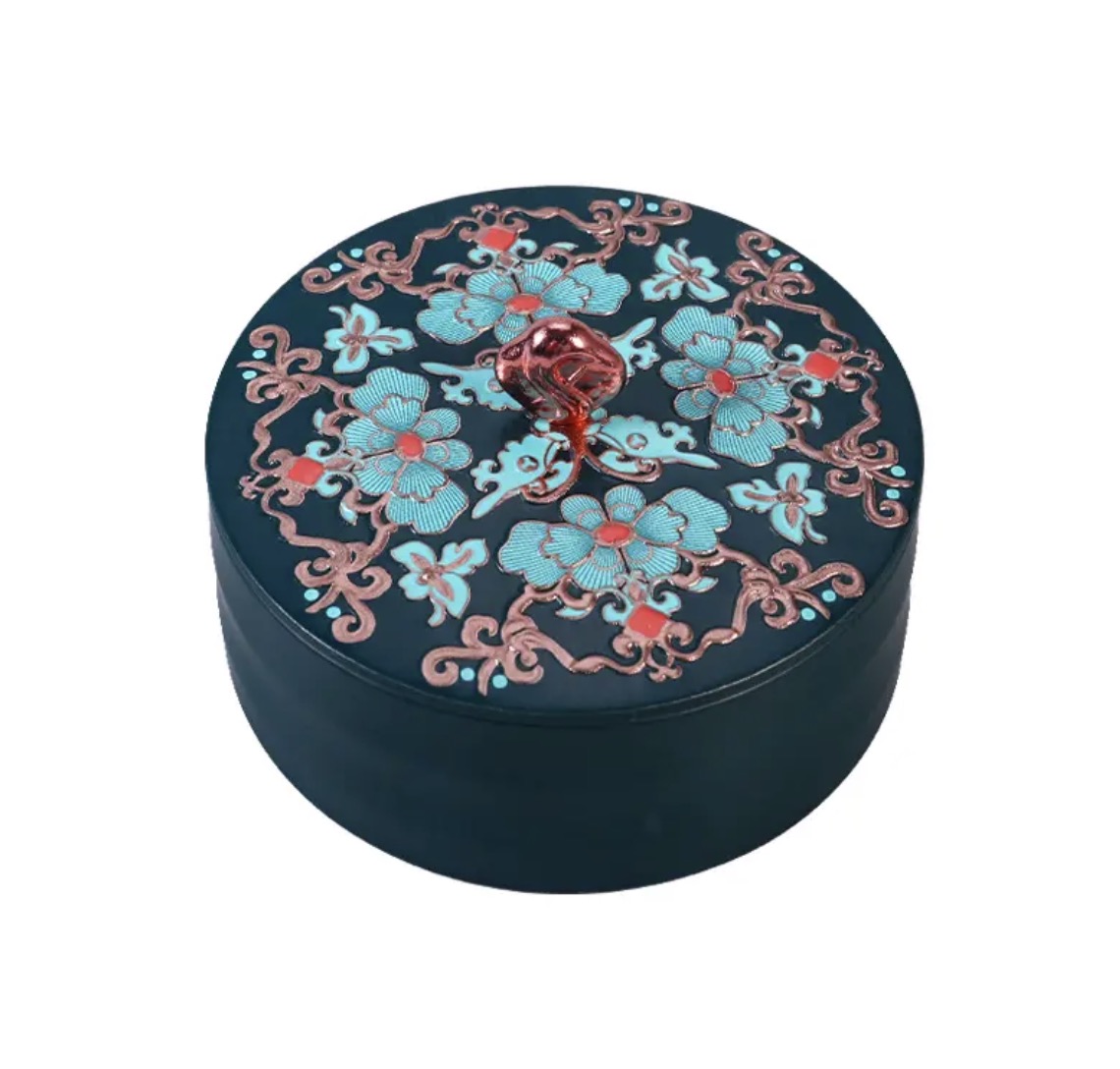
- Stock tooling, custom decoration. The body and lid come from tooling the factory already owns, while printing, logo, interior print, surface finish and inserts are developed for the brand. Most custom logo Vietnam cosmetics tin box projects sit at this level rather than at full tooling.
- Custom tooling. New tooling is engineered for the product: a new diameter, depth, silhouette, hinge, window, friction or threaded closure, partitioned tray or fitted insert. Here the structure itself — not the print — becomes proprietary to the brand.
Decision rule: if the change you want can be printed, embossed on a flat panel, or delivered through a separately tooled insert, you are normally in the stock-tooling route. If the change alters the geometry of the tin — its shape, closure, depth, or the way internal components nest — you are in custom tooling.
Factories that run both standard moulds and bespoke tooling can usually tell you which route a concept falls into once they see a drawing, a reference sample or a filled product. Asking that question early prevents the most common sourcing error in this category: paying for new tooling on a project that a stock format plus good decoration would have solved.
Why the Tooling Decision Carries More Weight in Cosmetics
Cosmetic packaging has to do three jobs simultaneously, and a tin box is judged on all three. That is why the tooling route matters more here than in categories where the tin is purely a gift container.
Product protection. Balms, salves, solid perfumes, loose powders and essential oils are sensitive to moisture and aroma loss. Airtight, moisture-proof performance is a function of how precisely the lid seats on the body — that is tooling precision, and decoration cannot compensate for a poor fit. When buyers ask for an airtight moisture-proof Vietnam cosmetics tin box, they are really specifying a closure requirement, not a print requirement.
Filling and assembly. Cosmetic tins frequently hold a secondary component: an aluminium pan for a pressed powder, a small bottle for a serum, a sponge, a brush or a mirror. Whatever locates that component inside the tin — a tray, a platform, a partition — is part of the packaging design, and inserts are tooled separately from the tin body. Buyers should establish early whether the custom element they need is the box or the insert, because the two follow different approval paths.
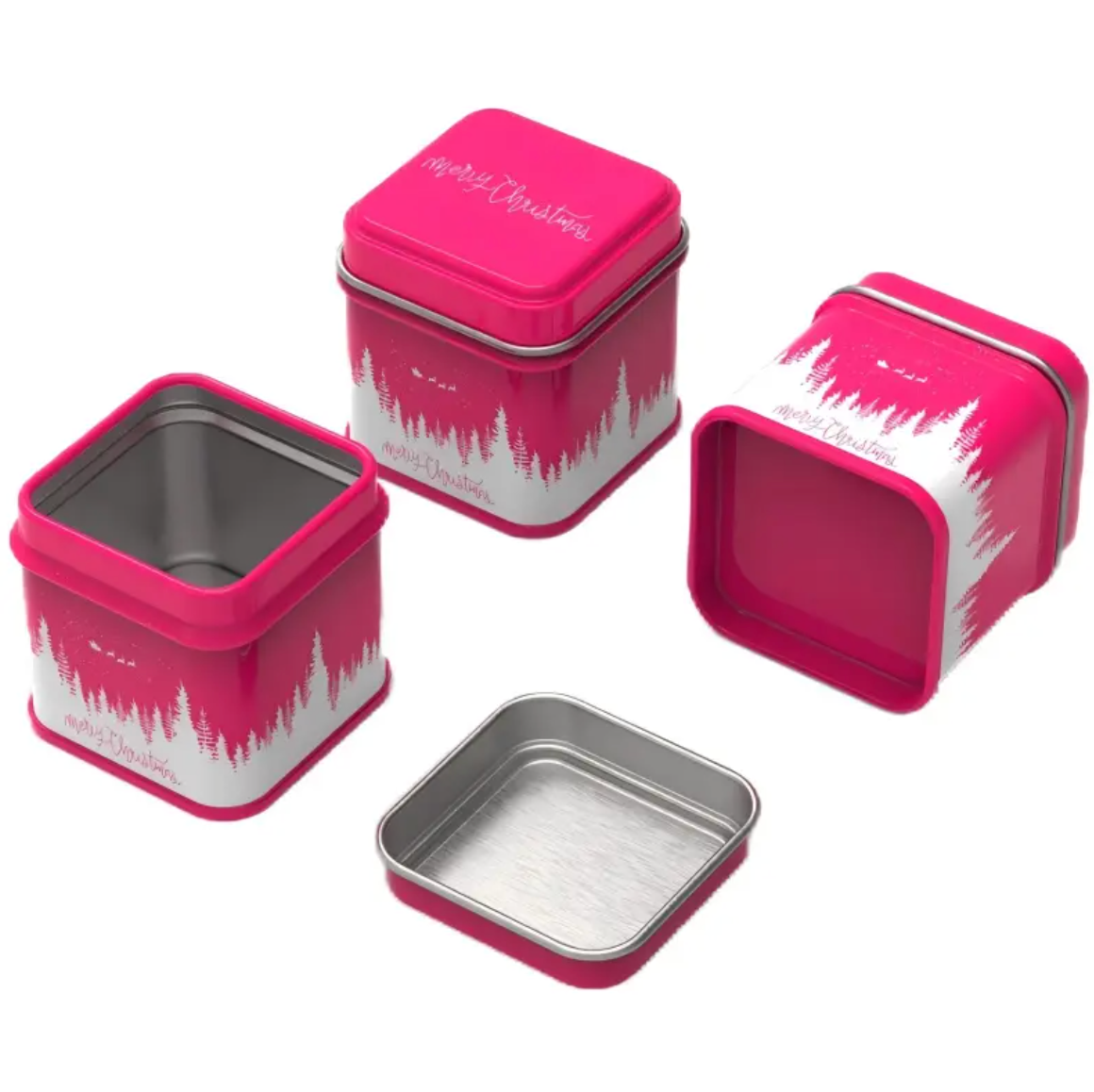
Retail presentation and gifting. Gift set, travel size and mini formats are sold as coordinated sets, which means the tins must stack, nest and present consistently across a range. A set built from existing formats is quicker to assemble; a set built around a new silhouette depends on new tooling.
There is also a supply-side factor worth understanding. Tin formats are shared across confectionery, tea and coffee, health care, spirits and cosmetics, so factories accumulate broad libraries of existing tooling. That library is an advantage for beauty brands — but only if the buyer checks whether a candidate format genuinely suits a cosmetic product, rather than assuming the nearest confectionery or candle tin will transfer directly to a beauty SKU.
The Comparison Framework: Four Variables That Decide the Route
1. Design Flexibility — Structure Versus Decoration
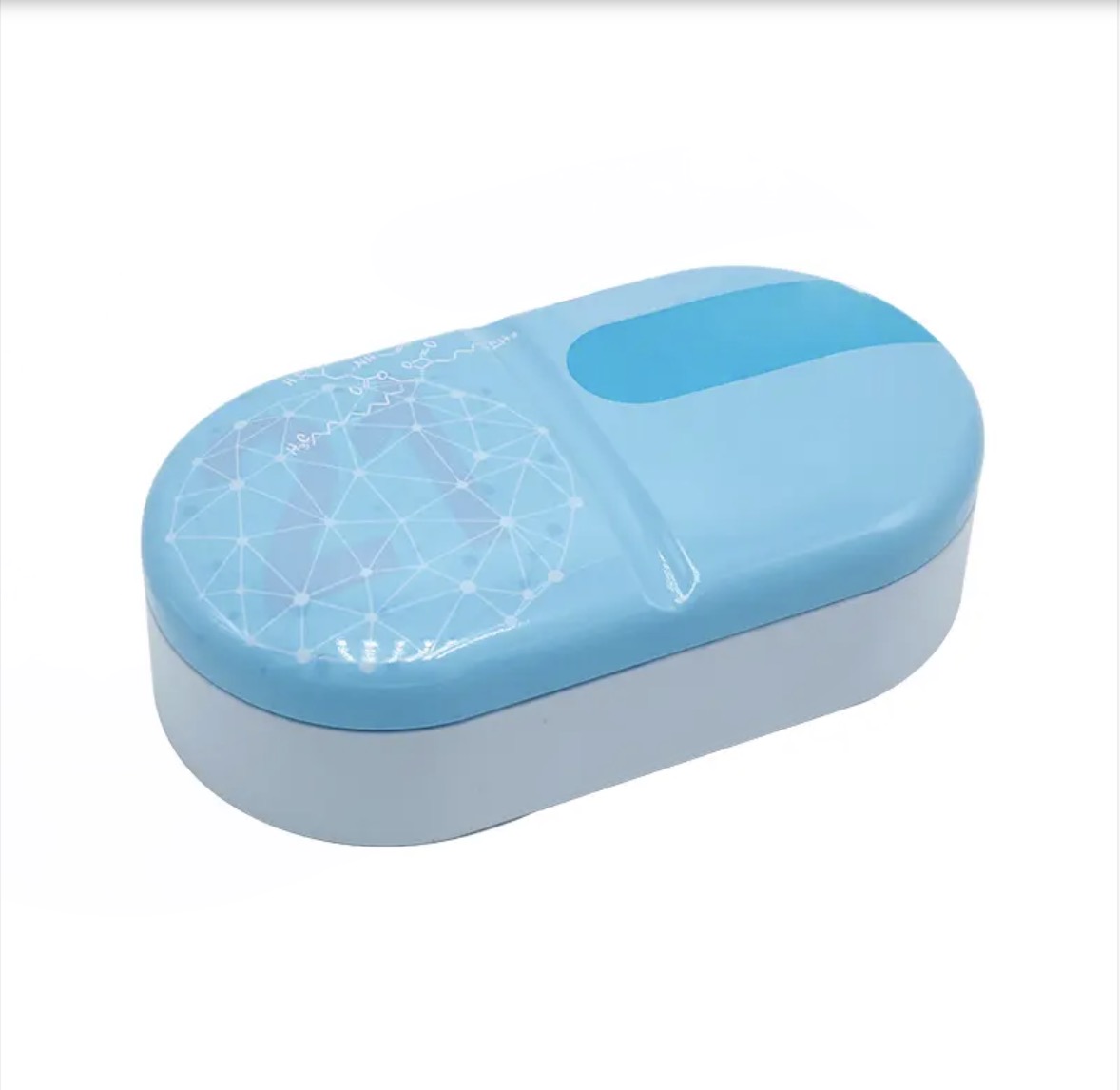
A stock Vietnam cosmetics tin box gives you freedom over print, colour, finish, interior print and sometimes inserts, but not over geometry: diameter, depth, wall profile and closure type are fixed by the existing tool. A custom-tooled box lets you define the silhouette itself — a hinge, a window, embossing on curved surfaces, partitioned interiors, nesting for gift sets or a refillable construction.
The practical consequence is exclusivity. Stock formats are available to every other brand using that factory, while a shape built on dedicated tooling can be reserved for one brand, provided ownership and exclusivity are agreed in writing.
2. Launch Timing — Where the Calendar Time Sits
With stock tooling there is no tooling development phase. Calendar time goes into artwork, proof approval, production scheduling and freight. With custom tooling, a front-loaded phase is added: tooling design and drawing approval, tooling manufacture, trial sampling, and — if the trial sample needs correction — a revision before bulk production starts.
That front-loaded phase is not a reason to avoid custom tooling, but it must be scheduled backwards from the retail launch, and it interacts with marketing: photography, e-commerce assets and retailer presentations usually need a physical sample before bulk delivery. Projects that plan decoration and structure in parallel, rather than sequentially, recover much of the lost time.
3. Order Volume Fit — What the Volume Has to Carry
Stock formats carry no tooling burden, which makes them suitable for test launches, limited editions, travel-size kits, sampling programmes and gift sets assembled at short notice. Custom tooling is a fixed investment that has to be absorbed across the orders it serves, so the unit economics improve as volume and repetition increase.
The decisive question is not the size of the first order but the life of the format. If the structure is core to the brand and will be repeated across seasons and line extensions, custom tooling distributes its cost over a long production life. If the design is likely to be replaced at the next launch, tooling can turn into a stranded cost.
4. Upfront Commitment and Risk Allocation
In the stock route, most money is committed at production and the main risks are format limitation and availability. In the custom route, money is committed to tooling before any saleable product exists, and the risks change accordingly: interpretation of the drawing, the number of revision rounds included before changes become chargeable, who owns and stores the tooling, and how closely the trial sample matches the final production run.
Side-by-Side Comparison: Stock Versus Custom Tooling
| Decision dimension | Stock Vietnam cosmetics tin box | Custom-tooled tin box |
|---|---|---|
| Structure | Produced from moulds and dies that already exist | New tooling built for the product |
| Design freedom | Decoration, finish and inserts on a fixed geometry | Geometry, closure and internal layout can be defined |
| Exclusivity | Format is available to other brands | Shape can be reserved if tooling is exclusive to the buyer |
| Launch timing | Artwork, proofing, production, freight | Adds tooling design, tooling build and trial sampling before production |
| Volume fit | Test launches, limited editions, travel and mini formats | Core, repeatable formats where the tooling is used across orders |
| Upfront commitment | Committed mainly at production | Tooling committed before saleable production |
| Sampling path | Existing samples plus a printed proof | Drawings, then tooling-based trial samples |
| Change flexibility | Decoration can change; shape cannot | Structural revisions are possible but carry cost and schedule impact |
| Main risk | Format limitation and stock availability | Drawing interpretation, revision loops, tooling ownership terms |
| Best fit | Fast launches, logo-led briefs, sets built from existing formats | Signature packs, partitioned palettes, bespoke closures, shaped gift tins |
Step-by-Step: Choosing the Route in Six Steps
- Define the product and its protection requirement. State what the tin contains, whether the product is solid, powder or oil-based, and whether airtight, moisture-proof performance or aroma retention is essential. This decides how much closure precision the project needs.
- Screen the stock format library first. Ask which existing tooling is closest to your target dimensions, depth and closure. Review physical samples rather than drawings, and confirm the printable area on each candidate.
- Test whether decoration alone delivers the differentiation you need. If the brand brief is a logo, a colour system, a finish and a distinctive lid, that is a decoration project on stock tooling. Differentiation usually only requires tooling when the shape, closure or internal layout must change.
- Model the commercial exposure. Compare the tooling investment against the realistic life of the format, not just the first order. Consider whether line extensions will reuse the same structure, and whether the insert or partition needs to be tooled independently.
- Validate with the right kind of sample. In the stock route, request the closest existing format with the intended printed proof. In the custom route, review the drawing first, then evaluate a tooling-based trial sample for lid fit, closure feel, insert accuracy and finish before approving production.
- Lock approvals and schedule backwards. Confirm the approval sequence in writing — drawing sign-off, tooling sample sign-off, print proof sign-off, production sign-off — and work back from the retail launch date, including time for photography and retailer submissions.
Use Cases: Which Route Fits Which Cosmetics Project
- Lip balm, salve and solid perfume. Typically round or shallow rectangular tins where lid-to-body fit matters most. If an existing format matches diameter and depth, stock tooling with custom decoration is normally sufficient; a hinged or threaded closure is a tooling decision.
- Eyeshadow and partitioned palettes. The outer tin may be standard while the partitioned tray that holds the pans is tooled. Clarify whether the custom element is the box or the insert, because that changes both cost and approval sequence.
- Travel size and mini formats. Small tins sold as add-ons, promotional sizes or hotel formats rarely justify dedicated tooling on their own; stock mini formats with custom print are the usual route.
- Gift sets. A gift set often pairs a tin with a bottle, brush or jar. Existing formats work when the set is assembled from standard tins plus a fitted insert; new silhouettes and nesting arrangements require tooling.
- Essential oil and aroma products. Airtight, moisture-proof behaviour is a closure question. Judge it on samples — a decorative stock box with a weak lid fit cannot be rescued by better printing.
- Logo-only briefs. A brand mark, brand colour and finish on a standard body is a decoration project; it does not require new tooling and should not be quoted as if it did.
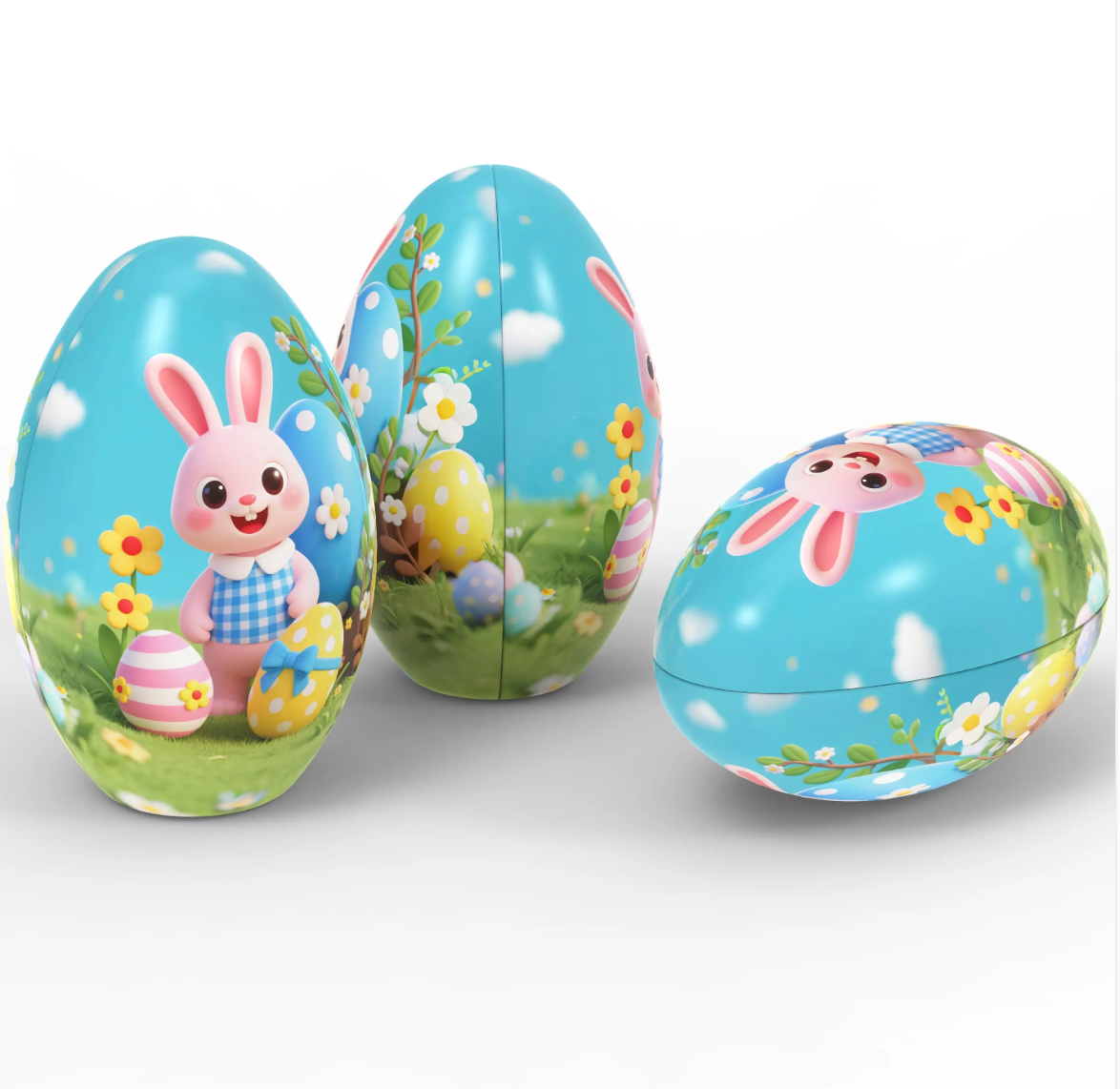
- Seasonal and limited editions. Tight calendars and short runs usually point to stock tooling with seasonal decoration, keeping shaped novelty formats for the hero SKU only.
Questions to Ask a Supplier Before You Choose a Route
The comparison framework only works if the supplier answers specifically. These questions separate a genuine two-route capability from a supplier steering the project toward whichever route it prefers to run.
- Which of my requirements are already met by existing tooling, and which would need new tooling?
- Can I see the closest existing format as a physical sample, not a rendering?
- Who owns the tooling if I fund it, and where is it stored between orders?
- What is the approval sequence — drawing, tooling sample, print proof, production sign-off?
- How many revision rounds are included before a structural change becomes chargeable?
- Is the insert or partition tooled separately from the tin body?
- Which decoration methods can be applied to curved surfaces, and which only to flat panels?
- How is tooling cost handled in the quotation, and how does the minimum order quantity differ between the two routes?
- What happens to the delivery schedule if the tooling sample needs correction?
- Can the factory assemble a gift-set variant that combines the tin with other components?
Where JLCG Enterprise Co.,Ltd Fits in This Decision
JLCG Enterprise Co.,Ltd is a tin box manufacturer based in Vinh Phuc Province, Vietnam, producing standard and customised tin packaging for food, gift, cosmetics and collectible applications and supplying brands in different industries internationally. For cosmetics buyers, the relevant question is whether a supplier can genuinely support both routes — without pushing a project toward tooling it does not need, or toward a stock format that cannot protect the product.
On the stock side, the company works across multiple categories, including cosmetics, health care, confectionery, tea and coffee, and spirits formats, which means a buyer can often begin with an existing body-and-lid construction before considering new tooling. On the custom side, JLCG Enterprise Co.,Ltd offers customisation of design, shape and printing, so a brand brief can be developed into a structural concept and a decorated box rather than only a printed standard tin.
Production uses premium tinplate material chosen for strength and formability, and the company applies quality control processes intended to meet international standards. JLCG Enterprise Co.,Ltd also describes eco-friendly manufacturing practices across material sourcing and waste management, and treats on-time delivery as part of its production and logistics commitment — both relevant when a launch date is fixed and the tin box is on the critical path.
Buyers evaluating either route can review physical samples alongside printed proofs before committing; the company’s format range and contact details are published at vntinbox.com.
Frequently Asked Questions
Do stock Vietnam cosmetics tin boxes meet cosmetics labelling and export requirements?
Labelling obligations depend on the artwork and the destination market, not on whether the tooling is new. A stock box can carry full-colour printing, mandatory product text, batch coding and market-specific symbols provided the printable area on that specific format is large enough for the content you must display. A custom-tooled box gives you more control over printable surface area and panel shape. The practical check is to confirm the printable area of the exact stock format, then obtain the print proof and the material documentation your market requires before the artwork is finalised.
Can I get a differentiated structure without committing to full custom tooling?
Often yes, but only within limits. Many suppliers can combine an existing tin body with a custom-printed lid, a fitted insert, a window or a partitioned tray, which changes how the pack presents and functions without altering the tin geometry. That approach depends on whether a mould close to your dimensions already exists and on how the insert is produced. If the concept requires a new silhouette, a different closure type or a depth change, it is a tooling project — the supplier should say so directly rather than quoting a cosmetic change.
How does tooling change the cost structure compared with stock boxes?
With stock tooling you pay for the box and its decoration, because the tooling cost has already been absorbed by the factory. With custom tooling you pay a separate charge to build the tooling, plus the same production and decoration costs on top. The tooling charge is fixed, so its effect on unit cost depends entirely on how many units are produced from it — which is why the format’s expected life, not just the first order, should drive the decision. Structural revisions after approval are charged separately and add schedule time.
Can I compare both routes with samples before committing?
Yes, and the comparison should use two different sample types. For the stock route, request the closest existing format as a physical sample together with the intended printed proof, and check lid fit, closure feel and interior space against your product. For the custom route, review and approve the structural drawing first, then evaluate a trial sample produced from the new tooling before authorising bulk production. Comparing a stock sample against a drawing, rather than against a tooled sample, is not a fair comparison of the two routes.
Which route is faster to launch, and where does the time actually go?
Stock tooling is faster because no tooling development window is required: time is spent on artwork, proof approval, production and freight. Custom tooling adds a front-loaded phase covering tooling design, tooling manufacture and trial sampling, and that phase must be scheduled backwards from the retail date so that photography and retailer submissions are not delayed. If the launch date is fixed and the format is not yet defined, stock tooling with strong decoration is the lower-schedule-risk route; a custom shape needs earlier commitment.
Compare Both Routes With Physical Samples
Before committing to tooling, request the closest stock format sample together with a printed proof, and ask which parts of your concept would require new tooling. JLCG Enterprise Co.,Ltd supplies standard and customised cosmetics tin packaging from Vietnam and can review a drawing, a reference sample or a filled product to indicate which route your project falls into.
Email: sales06@vntinbox.com | Phone / WhatsApp / WeChat: +86 18819080997
Website: www.vntinbox.com
Address: Lot D8-1 Ba Thien ll Industrial Park, Thien Ke Commune, Binh Xuyen District, Vinh Phuc Province, Vietnam
Conclusion
The choice between a stock Vietnam cosmetics tin box and custom tooling is settled by sequencing, not by preference. Start with the protection requirement, because closure fit decides whether the pack is viable at all. Then test whether decoration alone achieves the differentiation the brand needs. Then check whether the expected life of the format can carry a tooling investment. Only then compare schedules. When those four answers point to a fixed geometry that only needs branding, stock tooling is the faster and lower-commitment route; when the product needs a shape, closure or internal layout that does not yet exist, custom tooling is the only route that delivers it — and the earlier that decision is made, the less it costs in schedule.
Have Questions or Need More Details?
Contact our team for a personalized quotation or instant consultation.
Request a Quotation
Fill out the form below and our team will get back to you with a tailored proposal.
WhatsApp Direct Chat
Prefer to chat in real-time? Message us on WhatsApp for instant assistance & quick answers.
- Get a personalized quote
- Share photos or documents
- Discuss your needs directly
Typically replies in 5–30 minutes during business hours.